Entertainment news and discussion on TalkFuse.
The 1969 Beatles song George Harrison and Ringo Starr hated most: “The worst track we ever had to record”
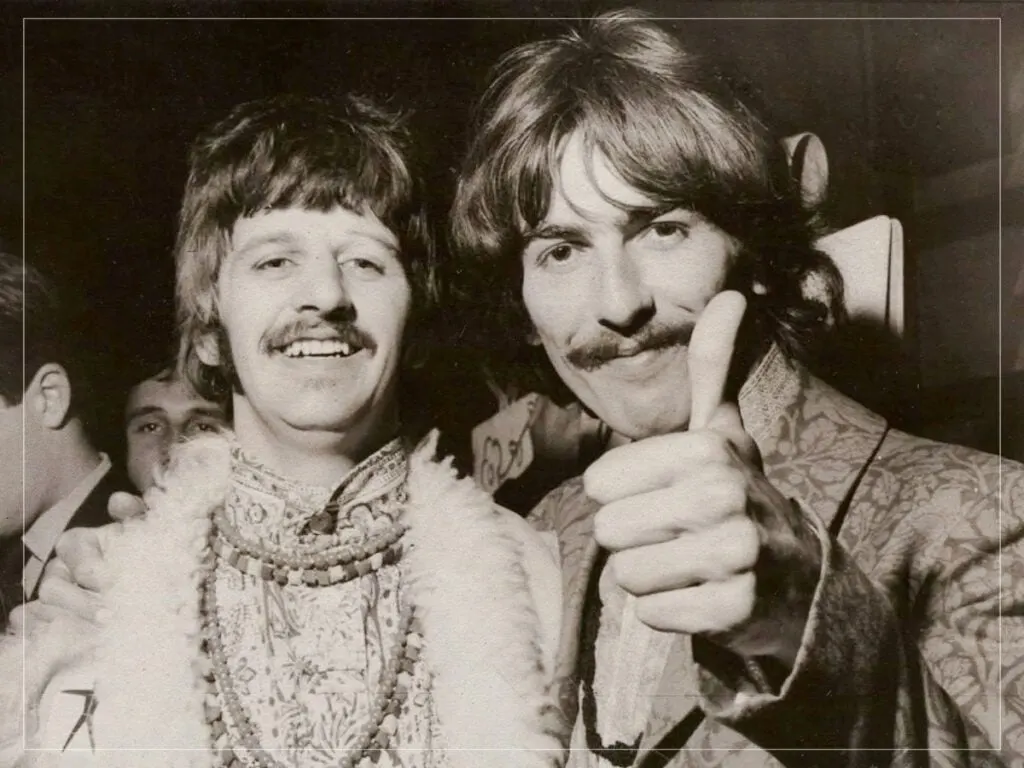
George Harrison and Ringo Starr have long identified "Maxwell's Silver Hammer" from The Beatles' 1969 album Abbey Road as the track they most despised recording. Though Harrison is often remembered as the band's "Quiet One", accounts from bandmates reveal he was privately outspoken, and by 1969 he had grown frustrated at being sidelined despite maturing rapidly as a songwriter, producing tracks such as "While My Guitar Gently Weeps" and "Something". This tension with Paul McCartney over creative control, particularly on whimsical, music-hall-style songs, contributed to friction within the group as they neared their split.
According to Harrison, McCartney insisted the song be recorded and re-recorded obsessively until it matched his vision, which he described as "a real drag". Starr called it "the worst session ever" and "the worst track we ever had to record", saying it dragged on for weeks and left him thinking "it was mad". John Lennon, in a 1980 Playboy interview, said he "hated it" and criticised the excessive studio time and money spent on the song, which he felt never worked as the single McCartney had hoped for.
In short
- Harrison and Starr both called "Maxwell's Silver Hammer" their most hated Beatles recording session.
- McCartney demanded endless retakes, frustrating Harrison, Starr and Lennon.
- Lennon later said he "hated" the track and its wasted studio time and cost.
Steelman: both sides, in good faith
The strongest fair case each way — we don't pick a winner.
The case for
As the primary composer and producer of Abbey Road, Paul McCartney was entitled to pursue his artistic vision with rigour and care. The Beatles' legendary status rested partly on their willingness to invest studio time in achieving excellence and innovation; extensive work on individual tracks was part of their established creative method. McCartney's perfectionism and attention to production detail were integral to what made their recordings remarkable, even when a particular song did not become a commercial success.
The case against
By 1969, the Beatles were a mature collaborative partnership in which members like George Harrison had grown significantly as songwriters and composers, warranting genuine creative voice. Weeks of obsessive re-recording on a single track consumed valuable time and resources without proportional artistic benefit, particularly since the song never achieved McCartney's hoped-for success as a single. This excessive perfectionism frustrated the other members and reflected a troubling imbalance in creative control, prioritising one member's vision over the group's welfare and democratic input during a period when the band's relationships were already deteriorating.
Explained simply
The Beatles were a British band made up of John Lennon, Paul McCartney, George Harrison and Ringo Starr. By the late 1960s, Harrison was writing songs that stood alongside the work of Lennon and McCartney, including “While My Guitar Gently Weeps” and “Something”, but he still had less influence over the band’s recording choices.
“Maxwell’s Silver Hammer” was a Paul McCartney song on the Beatles’ 1969 album Abbey Road. Its jaunty, music-hall style differed from the more serious songs Harrison was developing, and the band spent a long time recording it.
Disagreements over songwriting and studio decisions added to tensions within the group as the Beatles approached their break-up. The song is often cited in accounts of those tensions because Harrison, Starr and Lennon all described disliking the recording process.