Entertainment news and discussion on TalkFuse.
The 10 bloodiest scenes in horror movie history
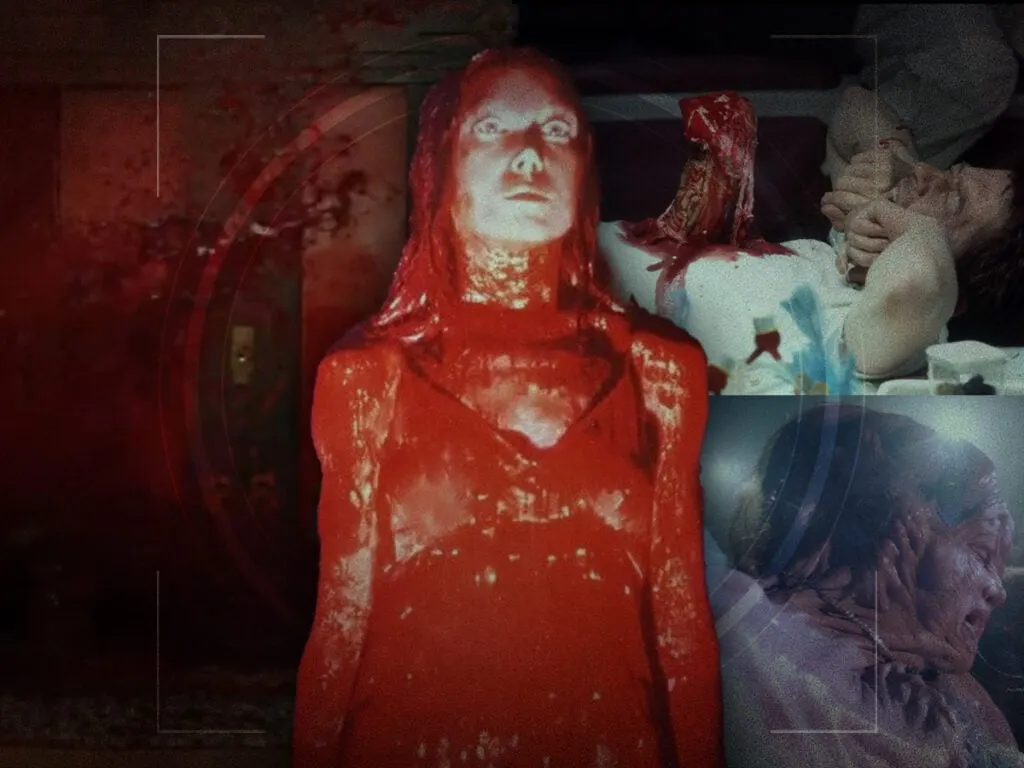
The article examines how gore functions within horror cinema, arguing that visceral content alone does not guarantee effective scares. Some directors wield graphic material as an artistic tool or vehicle for dark comedy, whilst others rely on shock without substance. The most memorable horror moments balance graphic imagery with psychological impact and narrative context, transforming violence from spectacle into genuine audience terror.
The piece highlights several defining examples: Ridley Scott's Alien featured the unexpected chestburster that caught both cast and audiences off guard; Wes Craven's A Nightmare on Elm Street demonstrated how creative kills could elevate slasher filmmaking beyond conventional murder; and Brian De Palma's Carrie showcased how directorial style could amplify violent sequences. These scenes endured because they served their stories and generated authentic fear responses, illustrating that the most effective horror gore operates within a framework of meaning rather than existing merely for its own sake.
In short
- Horror films use gore most effectively when paired with psychological tension and narrative purpose, not shock value alone
- Article profiles landmark violent scenes from Alien, A Nightmare on Elm Street, and Carrie that succeeded by combining graphic impact with storytelling
Steelman: both sides, in good faith
The strongest fair case each way — we don't pick a winner.
The case for
The most effective and enduring horror cinema emerges when gore serves narrative and psychological purposes rather than existing for spectacle alone. When filmmakers integrate violence meaningfully into storytelling, character development, and thematic exploration, it creates genuine terror that resonates deeply with audiences across time. This approach distinguishes between sophisticated filmmaking that mines authentic fear from visceral grounding versus cheap shock tactics, ultimately producing cinema of greater artistic merit and lasting psychological impact.
The case against
Gore and visceral shock possess inherent value in horror as entertainment and cathartic experience, independent of narrative justification or deeper meaning. Audiences legitimately derive pleasure from spectacular effects, technical artistry in creating convincing gore, and the sensory thrill of transgression itself—responses that require no psychological framework to be valid or worthy. Horror cinema accommodates multiple approaches authentically: some viewers value psychological layering whilst others find genuine satisfaction in uninhibited spectacle and shock, and both represent authentic, defensible audience experiences deserving equal respect.
Explained simply
Horror films use violence in different ways: some aim to frighten, while others use gore for dark humour or visual effect. Graphic scenes alone do not necessarily make a film scary; their impact often depends on what viewers know about the characters and what is at stake.
Directors including Ridley Scott, Wes Craven and Brian De Palma have made scenes that became landmarks in the genre. In Alien, A Nightmare on Elm Street and Carrie, violence is tied to the films’ stories and style, helping create suspense and fear. These examples show why horror scenes can stay with audiences when they carry meaning beyond shock.