Rubio targets Cuban military procurement with new sanctions
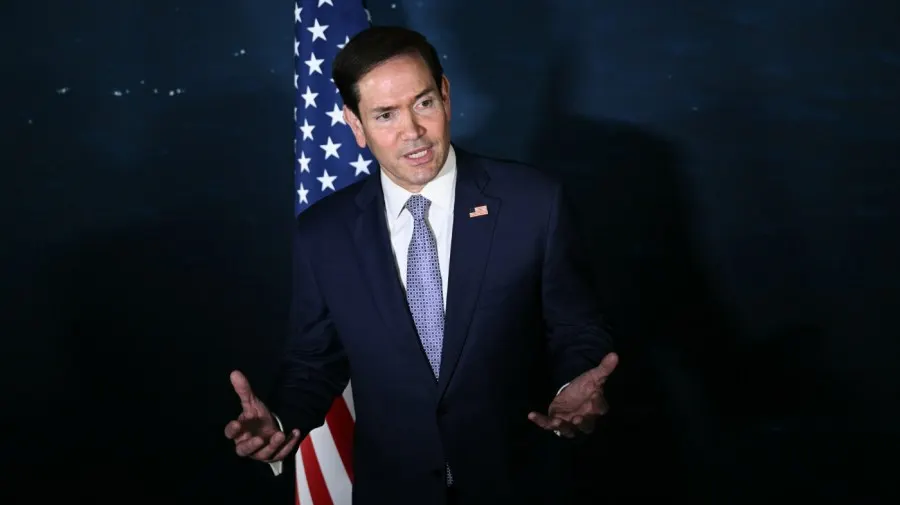
The State Department has imposed sanctions targeting five Cuban government entities and eight individuals connected to the country's military acquisition operations. The action reflects the Trump administration's strategy of increasing economic pressure on Cuba's leadership.
Official statements characterise the measures as part of a broader effort to counter activities the U.S. views as destabilising, including espionage and support for armed groups. The sanctions represent a continuation of hardline policies toward Havana and signal the administration's intention to maintain restrictive measures against the Cuban government.
In short
- Secretary Rubio announced sanctions on five Cuban entities and eight individuals involved in military procurement
- Trump administration escalating pressure on Cuba's communist government through economic restrictions
Steelman: both sides, in good faith
The strongest fair case each way — we don't pick a winner.
The case for
Proponents of the sanctions argue that targeted economic measures against Cuban military procurement entities and individuals involved in destabilising activities—including espionage and support for armed groups—represent a justified tool to protect regional security. They contend that the Cuban government's alleged conduct warrants consequences and that economic pressure remains a legitimate diplomatic instrument to encourage policy changes without military intervention.
The case against
Critics argue that decades of sanctions have demonstrably failed to change Cuban government behaviour and instead primarily harm ordinary citizens through reduced economic opportunity and living standards. They contend that dialogue and normalisation would prove more effective than coercion, and that sanctions regimes undermine humanitarian principles by imposing collective economic punishment on populations rather than directly affecting policymakers' conduct.
Explained simply
Cuba has been governed by the Communist Party since the 1959 revolution, and the armed forces play a major role in the country’s economy as well as its defence. Military-linked bodies are involved in areas such as trade and acquiring equipment, which can make it difficult to separate state business from military activity.
The United States has maintained a broad trade and financial embargo on Cuba for decades, though the rules and diplomatic approach have shifted between administrations. Marco Rubio, the US secretary of state, has long supported a tougher policy towards Havana. Sanctions can restrict access to US assets and financial services, and can affect dealings by people and organisations beyond the United States.
Americas Geopolitics Government Politics World