Politics news and discussion on TalkFuse.
London council chief clarifies drinking policy after Sadiq Khan ‘village hall’ criticism
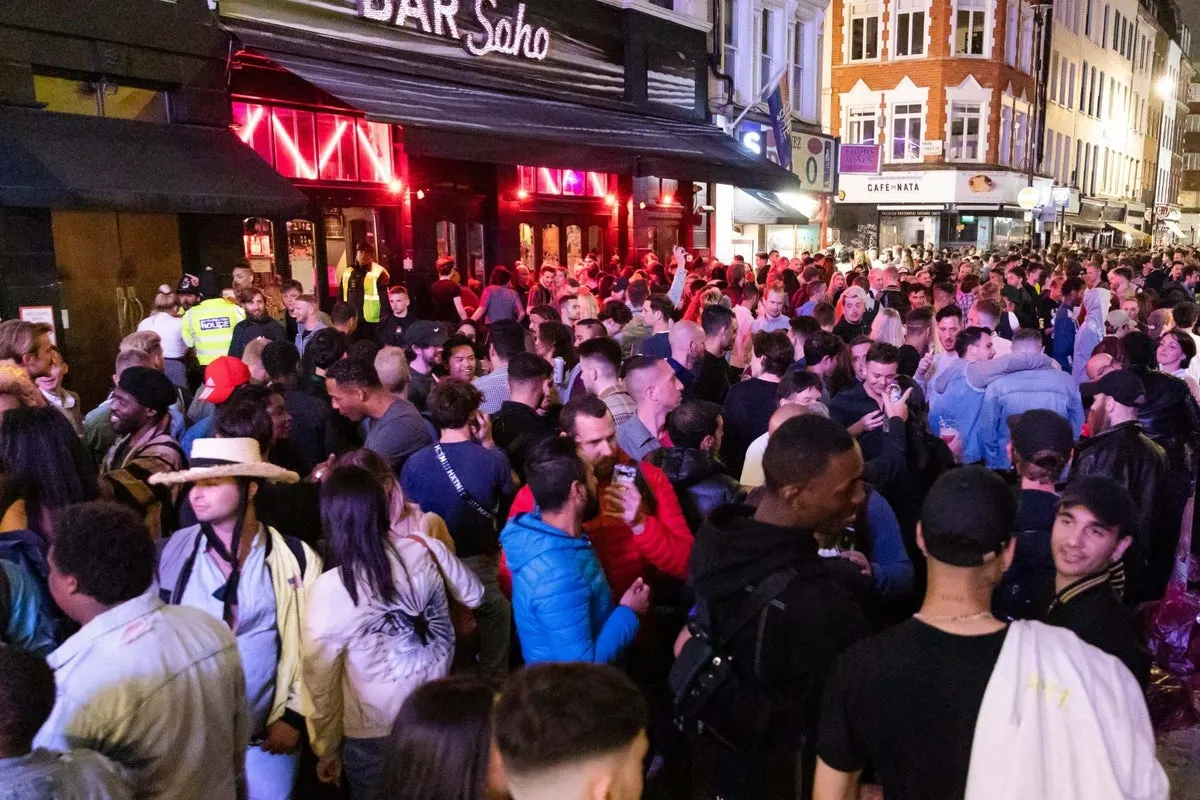
Downing Street has intervened in a row over proposed drinking restrictions in London's West End, urging Westminster City Council to work with the hospitality industry after Mayor Sadiq Khan accused the council of a "village-hall mindset". The dispute centres on the council's draft licensing policy, which encourages pubs and bars to favour table seating over standing "vertical drinking" space, prompting warnings from businesses that Soho could become "sanitised" and lose custom to other parts of the capital.
Westminster's Conservative leader, Paul Swaddle, insisted there is "no plan" to ban standing drinking and blamed media coverage for "confusing stories", noting the policy is still out for public consultation, with the survey closing on 9 August. The draft also proposes normally refusing new licences in the West End's cumulative impact zone, covering Oxford Street to Trafalgar Square, Leicester Square and Soho. A No 10 spokesperson said busy pubs represent "British life" and thousands of jobs, adding that licensing powers are being devolved to the Mayor, while Swaddle hit back at Khan, saying the council approves over 98% of licence applications and accusing City Hall of directing police to object to new licences.
In short
- No 10 urges Westminster Council to support pubs amid licensing row
- Council denies plan to ban standing drinking; consultation closes 9 August
- Sadiq Khan and council leader Paul Swaddle clash over Soho policy
Steelman: both sides, in good faith
The strongest fair case each way — we don't pick a winner.
The case for
Westminster City Council's licensing policies address genuine cumulative impact concerns in densely populated areas, where excessive drinking venues can create public health, safety and quality-of-life issues for residents. The council's approach of encouraging seated drinking and restricting new licences in saturated zones reflects responsible planning that balances the cultural and economic value of hospitality with community needs. With 98% of licence applications approved, the policy represents measured regulation rather than prohibition.
The case against
London's hospitality sector is economically vital and culturally important, employing thousands whilst defining the capital's character, particularly in Soho where a lively atmosphere attracts visitors and spending. The draft policy's restrictions on standing drinking and new licences risks sanitising vibrant neighbourhoods and shifting economic activity elsewhere, undermining businesses that have thrived under London's existing framework. Spontaneous, social pub culture depends on freedom to create busy, animated spaces that would suffer under overly cautious regulation.
Explained simply
Westminster City Council is responsible for alcohol licensing in much of central London, including Soho and Leicester Square. Its draft policy sets out how it would assess applications for new licences and changes to existing ones; residents and businesses can comment before the consultation closes.
The West End is a busy area with many pubs, bars, theatres and restaurants, and its nightlife supports local jobs and businesses. Councils can use licensing rules to manage the effects of large numbers of venues, while businesses rely on customers being able to drink and socialise there.
The Mayor of London, Sadiq Khan, and the council have different roles in London’s policing and licensing arrangements. The debate matters because decisions about licences can affect how the West End develops and how easily its venues can operate.
Government Politics Space Technology UK World