John Romero says id Software once sold empty Doom boxes to Taiwanese pirates so fans there could have legit copies: ‘For us, it was distribution’
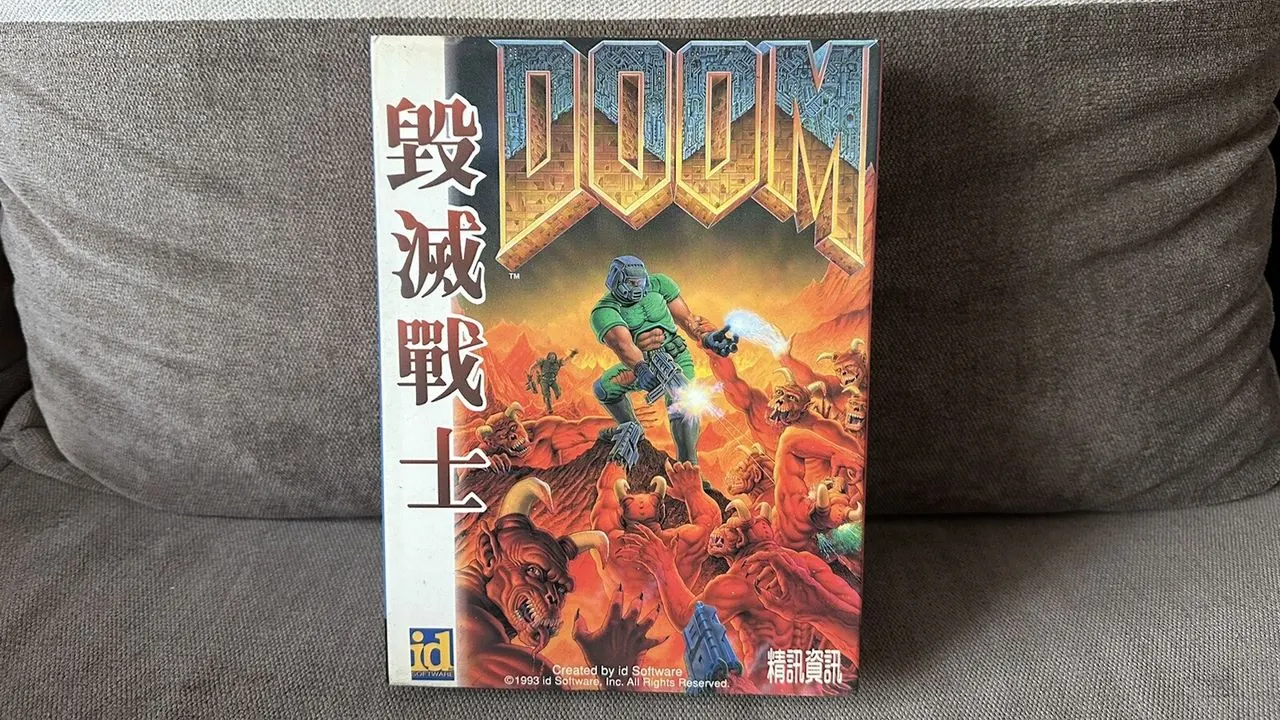
John Romero, co-creator of Doom, has recalled how id Software once struck an unusual arrangement with Taiwanese software pirates: rather than trying to stop them producing unauthorised copies of the game, the studio supplied them with empty, official Doom boxes so that fans buying pirated discs would at least receive genuine packaging. Romero framed the move not as tacit endorsement of piracy but as a pragmatic distribution strategy in a market id Software had no formal presence in, ensuring players still got something resembling a legitimate product.
The anecdote, shared by Romero, illustrates the freewheeling approach id Software took to reaching international audiences in Doom's early-1990s heyday, when formal distribution channels in places like Taiwan were limited and piracy was rampant. Romero's phrase "for us, it was distribution" underscores how the studio prioritised getting the game into players' hands over strictly enforcing copyright, treating the pirate market as an unconventional but effective way to expand Doom's reach.
In short
- Romero says id sold empty Doom boxes to Taiwanese pirates.
- Move gave pirated-copy buyers legitimate-looking packaging.
- id treated this as pragmatic distribution, not piracy endorsement.
Steelman: both sides, in good faith
The strongest fair case each way — we don't pick a winner.
The case for
id Software faced a market where legitimate distribution did not exist and piracy was inevitable. Supplying empty boxes was pragmatic—it improved the user experience for an otherwise unreachable audience, established brand presence where official channels couldn't operate, and achieved effective distribution in a region that would have been entirely lost to uncontrolled counterfeiting. Rather than abandoning principle, the company recognised its genuine alternatives were severely limited.
The case against
Regardless of market conditions, id Software actively enabled copyright infringement by providing materials that legitimised counterfeit products. Treating piracy as acceptable 'distribution' normalised intellectual property violation rather than resisting it, prioritising market expansion over creators' ownership rights. The compromise, however practical, undermined the fundamental principle that creators deserve control and compensation for their work.
Explained simply
Doom is a landmark computer game released in 1993 by id Software, a small American studio. John Romero helped create it, and its rapid spread helped make the game a worldwide hit.
In the early 1990s, buying games through official retailers was difficult in some places, while unauthorised copies were common. Taiwan was one such market, and the story reflects how game makers sometimes had limited ways to reach players there.
Copyright gives creators control over how their work is copied and sold. The reported arrangement shows the practical tensions between protecting those rights and reaching fans where formal sales channels were scarce.