Politics news and discussion on TalkFuse.
No 10 enters Soho licensing row after Sadiq Khan criticism of proposed pub standing restrictions
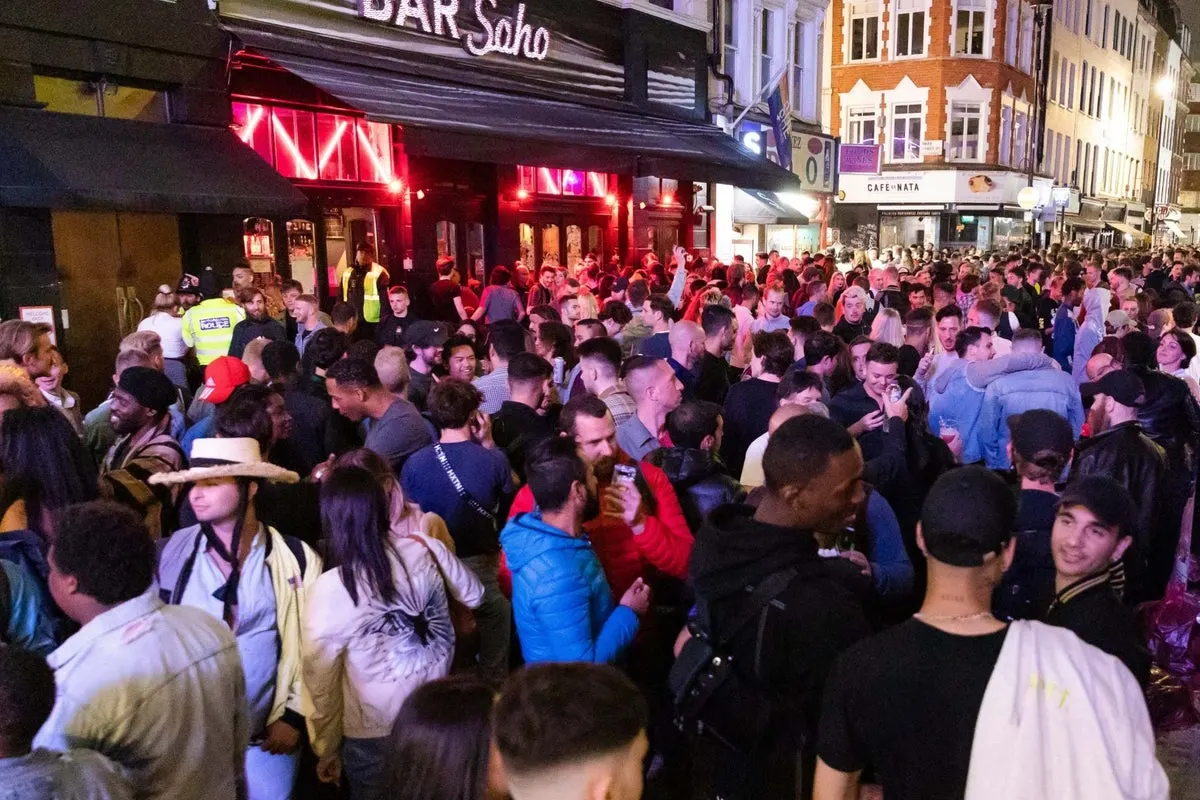
Downing Street has intervened in a row over draft Westminster City Council policies that would encourage pubs to favour table seating over standing space, after London Mayor Sir Sadiq Khan criticised the proposals. A No 10 spokesperson said busy pubs are "British life" and thousands of jobs, urging local leaders to work with the hospitality industry, while noting the government is devolving new licensing powers to the Mayor. The row matters because it touches on the future of Soho's nightlife and wider debates about how councils balance noise and crime concerns against supporting hospitality businesses.
Westminster's Conservative leader, Paul Swaddle, insisted there is "no plan" to ban standing drinking and said the draft policy, out for public consultation until Sunday 9 August, has been misrepresented in the press. The document does include a measure, CIP1, to normally refuse new licences in the West End "cumulative impact zone" covering Soho, Leicester Square and the area between Oxford Street and Trafalgar Square, and references reducing "vertical drinking". Sir Sadiq Khan said Soho could not be run "with a village-hall mindset", to which Swaddle retorted that the council approves over 98% of licence applications and accused City Hall of directing police to object to new licences. Prime Minister Andy Burnham, who has pledged to be a "defender" of pubs, recently announced a 20% business rates cut for pubs, clubs and live music venues from April.
In short
- No 10 backs pubs amid Soho "vertical drinking" licensing row
- Westminster Council denies plan to ban standing while drinking
- Sadiq Khan and council leader clash over West End licensing policy
Steelman: both sides, in good faith
The strongest fair case each way — we don't pick a winner.
The case for
Councils managing high-density entertainment zones like Soho reasonably address documented public safety and nuisance concerns—disorder, noise, antisocial behaviour—through licensing policy. Standing-room venues with rapid customer turnover measurably correlate with such problems; encouraging seated establishments through cumulative impact zones represents proportionate, evidence-informed planning. This approach acknowledges hospitality's cultural and economic importance whilst managing concentration effects that can destabilise both neighbourhoods and businesses.
The case against
Britain's pub culture, including traditional standing drinking, represents vital economic activity and social tradition warranting active support rather than regulatory constraint. With 98% of licence applications approved in Westminster, evidence of unmanageable problems in Soho remains unclear, and the council's policy—framed as neutral planning—amounts to practical restriction on legitimate business models. Government commitment to hospitality should mean partnership, not additional barriers; existing tools appear adequate for genuine concerns without imposing format changes on viable establishments.
Explained simply
Westminster City Council sets licensing rules for pubs, bars and other venues in parts of central London. Its draft policy covers a “cumulative impact zone” across Soho and nearby areas, where many licensed venues operate close together. Councils can take account of the combined effects of venues when considering licence applications.
The council says the draft encourages more table seating and less “vertical drinking”, meaning drinking while standing, but its leader says there is no plan to ban standing. The policy is open to public consultation, during which residents, businesses and others can comment. London Mayor Sir Sadiq Khan has criticised the approach, while Westminster’s Conservative leader Paul Swaddle says the proposals have been misrepresented.
The debate reflects a wider challenge for local leaders: how to support pubs and nightlife while responding to concerns about noise and crime. The government is also changing who holds some licensing powers in London, giving the Mayor a greater role.
Politics Space Technology UK World