Teenagers overwhelmingly likely to turn off optional social media curfews – poll
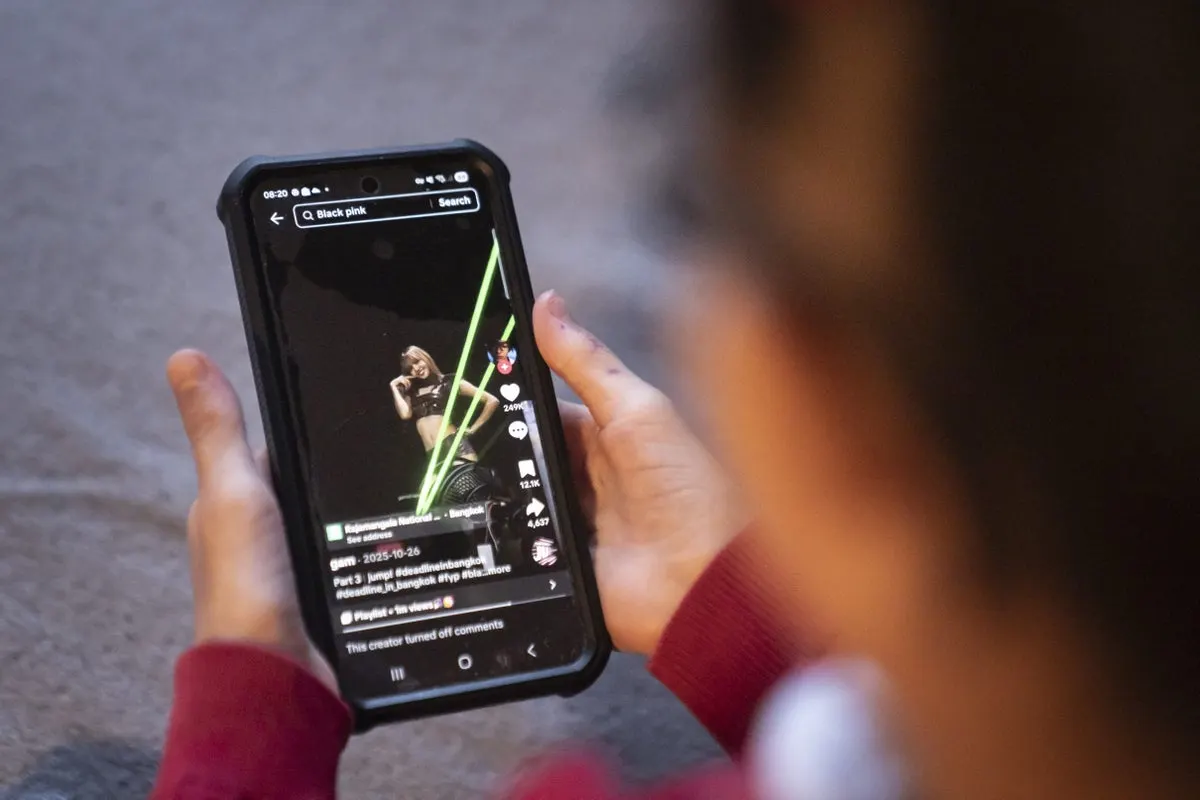
Polling suggests that most 16 to 18-year-olds intend to disable the Government's planned social media curfews, undermining a flagship online safety policy announced by Sir Keir Starmer shortly before leaving office. The scheme would block 16 and 17-year-olds from social media between midnight and 6am by default, but users could switch it off, and the findings raise doubts about whether an opt-out approach can meaningfully reduce online harms to young people.
The Censuswide poll, commissioned by the Online Responsibility Network, found that 84.6% of 16-18-year-olds said they would turn off the curfew, with 45.2% citing a wish to stay in touch with friends or family and 37.2% wanting to keep watching online content. The Online Responsibility Network's Leanne Proctor argued that curfews alone are unlikely to prevent online harms and called for stronger design-level protections and age verification instead. The Government pointed to separate research showing 64% of 16-21-year-olds backed night-time app restrictions and said trials found curfews improved sleep and concentration, while the Liberal Democrats' Munira Wilson criticised the policy as tackling symptoms rather than causes and called for film-style age ratings instead.
In short
- 84.6% of teens polled say they'd opt out of social media curfews
- Curfew would block access from midnight-6am but is switchable off
- Lib Dems want age ratings instead; Government defends curfew trials
Steelman: both sides, in good faith
The strongest fair case each way — we don't pick a winner.
The case for
The Government's opt-out curfew approach respects young people's autonomy while offering meaningful protection for those who need it, with trial evidence demonstrating improvements in sleep and concentration. Where teenagers choose to use the curfew, they benefit from genuine wellbeing gains, and the default-on design ensures it reaches those who might most benefit without restricting those who prefer not to use it.
The case against
An opt-out curfew cannot effectively protect young people from online harms when most will disable it, making the policy ineffective at scale. The approach treats only a symptom—screen time—whilst ignoring the deeper sources of harm such as addictive algorithmic design and access to genuinely dangerous content, and stronger interventions such as age verification systems, mandatory design safeguards, and content rating frameworks would address root causes more effectively.
Explained simply
Social media platforms let people share messages, photos and videos, and many teenagers use them to keep in touch with friends and family. Concerns about young people’s safety online include exposure to harmful content and the effects of late-night use on sleep.
The proposed curfew would block 16- and 17-year-olds from using social media between midnight and 6am by default, but allow them to switch it off. The Government says night-time limits can help; campaigners and politicians disagree over whether a curfew is enough, or whether stronger safeguards built into platforms are needed.