Technology news and discussion on TalkFuse.
Daft Punk’s Thomas Bangalter Calls Out AI As a Shortcut In Creating Music
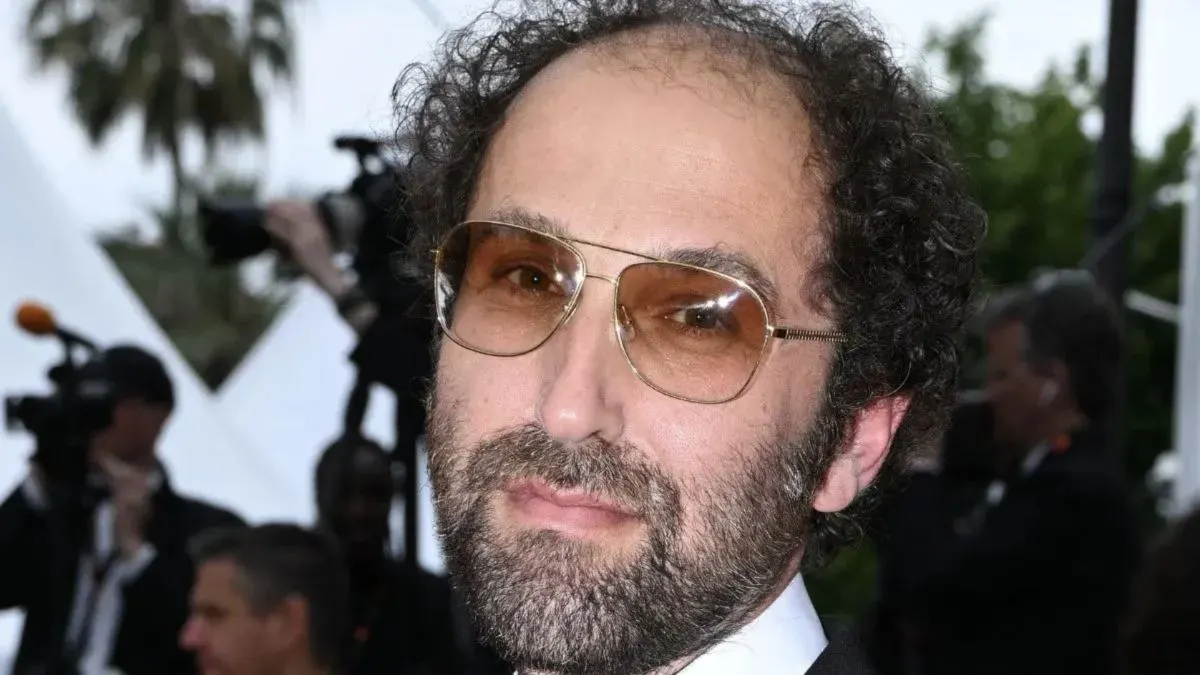
Daft Punk's Thomas Bangalter has said he has no interest in using artificial intelligence to make music, arguing that AI shortcuts the creative process he values most. Speaking in an interview released online in late July, the French musician said his approach to composing is not focused on the finished product, contrasting this with AI tools that he believes prioritise output over process. His comments add a prominent voice from electronic music to the wider debate among musicians about AI's role in creative work.
Bangalter made the remarks in a June conversation with Yana Peel, CHANEL's president of arts, culture and heritage, held at an arts festival in Basel, Switzerland, and published online on 29 July 2026. He described AI as "a way to bypass the creative process," saying it removes the spontaneity, intuition and human element he finds most compelling about making music. Elsewhere in the interview he reflected on Daft Punk's roots in rave culture, albums including "Homework", "Discovery" and "Random Access Memories", and his collaboration with Nile Rodgers on "Get Lucky". He also discussed his recent shift towards orchestral composition, following the June release of "Mirage", an album he wrote for a ballet of the same name.
In short
- Bangalter says AI bypasses the creative process he values in music-making
- Comments came in a July-released interview with CHANEL's Yana Peel
- He also discussed Daft Punk's legacy and his new orchestral album "Mirage"
Steelman: both sides, in good faith
The strongest fair case each way — we don't pick a winner.
The case for
AI tools represent the latest evolution in music technology, following decades of controversy over synthesisers, drum machines and digital workstations that ultimately expanded rather than diminished artistic possibility. When used intentionally by artists with clear vision, AI can democratise creation by making sophisticated production accessible to those without formal training or resources, whilst serving as a creative collaborator rather than a replacement for artistic agency. The meaningful distinction lies not in which tools an artist employs, but in their artistic choices, intentionality and vision throughout the creative process.
The case against
Artistic value emerges from the process of creation—the struggle, experimentation, intuition and vulnerability inherent in developing a vision. When AI shortcuts this journey by prioritising output over the labour of discovery, it removes the spontaneous, fundamentally human element that makes music meaningful and authentic. The distinction matters because rigorous composition trains the artist, builds genuine artistic vision, and produces work that listeners recognise as authentically felt rather than algorithmically assembled.
Explained simply
Thomas Bangalter is a French musician and one half of Daft Punk, the electronic music duo he formed with Guy-Manuel de Homem-Christo. The pair became known for combining electronic sounds with influences from dance music and other genres, releasing albums such as Homework, Discovery and Random Access Memories before announcing Daft Punk’s break-up in 2021.
Artificial intelligence tools can generate or alter music, raising questions about how they affect musicians’ work and creative choices. Bangalter has also moved into orchestral composition, including writing music for ballet, giving him experience across different ways of making music. His comments sit within a wider debate about whether AI can support creative work or change the role of human judgement and experimentation.
AI Art Culture Entertainment Music Technology