Drone warnings and sheltering in airports as South Korea battles historic heatwave
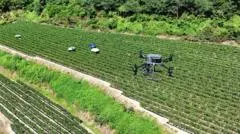
South Korea is battling a historic heatwave, with the government mobilising drones, water trucks and public buildings to help residents cope as President Lee Jae Myung declared the crisis a "national disaster". The extreme heat has already caused significant harm, with at least 23 people dying from heat-related illnesses this year and outdoor events, including a royal ceremony and baseball matches, being cancelled for safety reasons.
Temperatures in the south reached a record 42.5C this week, and nearly 2,500 people have needed emergency treatment for heat-related conditions since mid-May. Authorities are using drones fitted with loudspeakers and thermal cameras to warn elderly farmers to take breaks, while sprinkler trucks cool city streets and air-conditioned airports have become informal shelters for homeless and elderly people. A student-built app guiding pedestrians along the shadiest routes has also gained popularity, though experts say the heat may start easing this weekend.
In short
- South Korea declares heatwave a "national disaster"
- Drones warn farmers; airports shelter vulnerable residents
- At least 23 heat-related deaths recorded so far this year
Explained simply
South Korea’s hot summer weather is being intensified by a heatwave, with unusually high temperatures putting people at risk of heat illness. Older people, outdoor workers and those without reliable access to cool spaces can be especially vulnerable.
The national government and local authorities are using public buildings and practical measures to help people stay cool. These include opening air-conditioned spaces, cooling streets with water and warning people working outdoors to take breaks.
The heat has affected daily life as well as health, leading organisers to cancel some public events. The response matters because it shows how communities are trying to protect people as extreme heat puts pressure on public services and outdoor activities.
Asia Government Politics Science World