Entertainment news and discussion on TalkFuse.
Alex Lifeson on the battle behind Rush’s most divisive song, Subdivisions. “I was sitting there thinking, I can’t hear guitar”
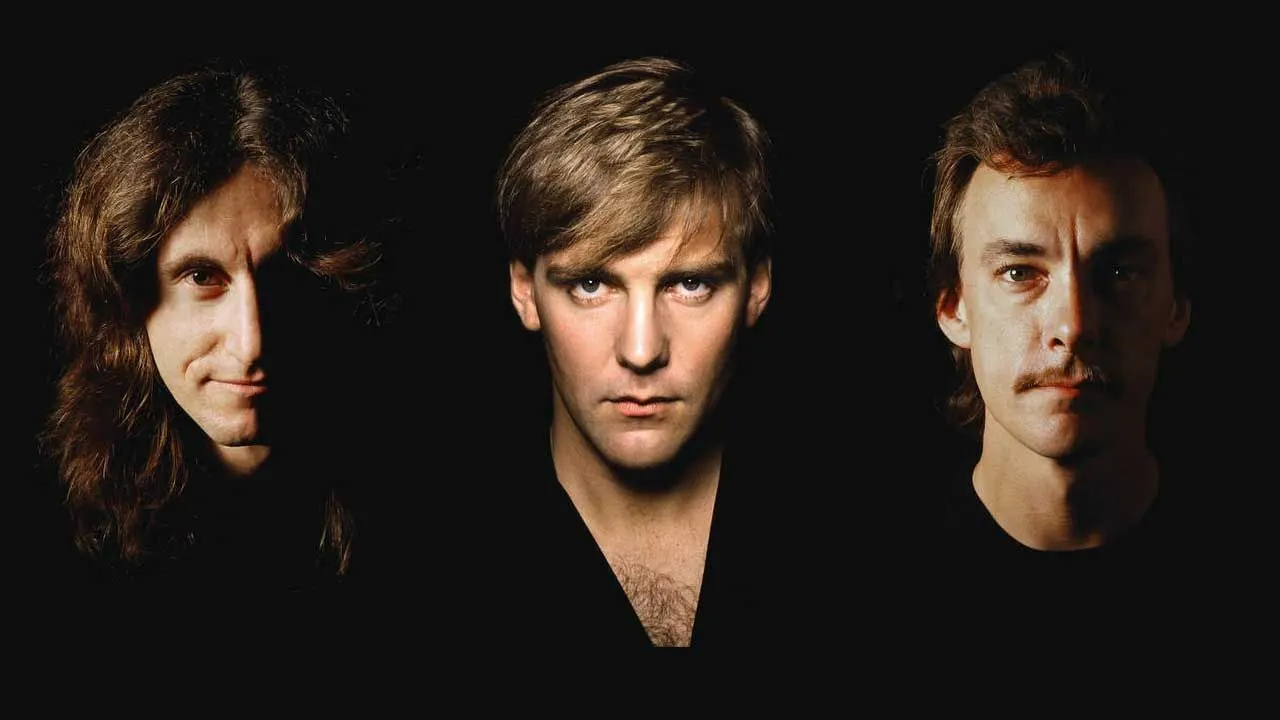
Rush guitarist Alex Lifeson has spoken about the tension behind the making of "Subdivisions," the opening track from the band's 1982 album Signals, recalling how the song's shift towards synthesisers left him feeling sidelined during recording. The track, produced at Le Studio in rural Quebec, became one of the band's most divisive songs, marking a moment when Rush embraced the electronic sound sweeping through rock music at the time, at the expense of the guitar-driven style that had long defined the band.
Lifeson recalls sitting in on the mix and realising his guitar parts had been pushed far into the background, prompting frustration as bassist and singer Geddy Lee, a self-described "synth geek," steered the song towards a more keyboard-led arrangement. Lee had been folding synthesisers into Rush's sound since 1977's A Farewell to Kings, and by the early 1980s that influence had grown stronger, reflecting broader shifts in rock as synthesisers challenged the guitar's dominance. The episode captures a period of creative negotiation within the band as they balanced changing musical trends with their established identity.
In short
- Alex Lifeson discusses tension over Rush's 1982 track "Subdivisions"
- He felt guitar was sidelined as synths took over the mix
- Reflects Geddy Lee's growing synth influence and 1980s rock trends
Steelman: both sides, in good faith
The strongest fair case each way — we don't pick a winner.
The case for
The synthesiser shift represented natural artistic evolution during an era when electronic sounds were transforming rock music. Geddy Lee, as a trained and enthusiastic keyboardist, brought valid creative vision to the band's sound, and collaborative decision-making meant all members had meaningful input. The resulting album remains respected and 'Subdivisions' became a classic, suggesting the artistic direction ultimately succeeded. Bands must evolve to remain contemporary and creatively vital; standing rigidly to past approaches risks irrelevance and creative stagnation.
The case against
Rush's identity and commercial success were built on technical guitar artistry, and sidelining Alex Lifeson's contributions compromised that core strength. Pursuing contemporary trends rather than their established identity diluted what made them distinctive, and the creative tension this caused suggests the direction prioritised one member's vision over genuine band consensus. A band should evolve authentically from its existing strengths rather than diminishing them to chase fashions, and proper collaboration requires that no core member's contributions be marginalised without genuine agreement.
Explained simply
Rush are a Canadian rock band formed in 1968, with Geddy Lee on bass and vocals and Alex Lifeson on guitar. Their music was known for prominent guitar parts, while Lee had increasingly brought synthesisers into the band’s sound from the late 1970s.
In the early 1980s, synthesisers were becoming more common in rock, prompting bands to reconsider how they used keyboards and guitars. Rush’s 1982 album Signals reflected that change, and the different roles Lee and Lifeson favoured show how adapting to new musical trends could affect the band’s sound and creative balance.