Trump says ‘way too early’ to endorse Vance for president despite leaked comments to donors
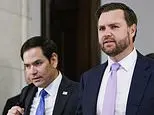
Donald Trump has said it is "way too early" to formally endorse Vice President JD Vance as his preferred successor for the 2028 presidential race, despite reports that he has privately signalled support for Vance to donors. The comments highlight the delicate balancing act Trump is performing as speculation grows over who might carry his political movement forward, with any early endorsement risking the appearance of anointing a successor while other potential contenders remain in play.
The article's full detail was not available, but the core development is Trump's public reluctance to commit to Vance despite leaked remarks suggesting private favour towards him. This gap between Trump's private and public positioning is likely to fuel continued speculation within Republican circles about the future direction of the party's leadership.
In short
- Trump says it's too soon to endorse Vance for 2028.
- Leaked comments suggest he has privately backed Vance to donors.
- Public caution contrasts with reported private support.
Steelman: both sides, in good faith
The strongest fair case each way — we don't pick a winner.
The case for
Trump's reluctance to endorse reflects proper restraint from a former president, allowing the Republican Party to deliberate freely on its own future without the appearance of dynastic succession. Early endorsements risk seeming undemocratic and could alienate other promising candidates whose ideas might strengthen the party platform. Maintaining flexibility also gives Trump leverage in broader party dynamics, ensuring that his policy priorities are heard regardless of who ultimately emerges as the nominee. Since the election is still years away, waiting provides time to assess how Vance performs in his current role and to see how the broader field develops.
The case against
Trump's contradiction between private support for Vance and public non-commitment undermines democratic transparency and suggests calculation rather than principle. If he genuinely favours Vance, concealing this from the broader party whilst sharing it with donors appears designed to maintain influence whilst avoiding accountability. Voters and party members deserve clarity about what their leaders actually believe rather than being strategically misled. This kind of gap between private positioning and public statements exemplifies the political manoeuvring that erodes trust in institutions and prevents the party from engaging in honest deliberation about its future direction.
Explained simply
Donald Trump is a former US president and the central figure in the modern Republican Party. JD Vance, a Republican, became vice-president after joining Trump’s 2024 election ticket.
US presidential elections are held every four years, and the next is scheduled for 2028. Vance is among the possible Republican contenders, but other figures may also seek the party’s nomination.
A presidential endorsement can signal to supporters whom a leader wants them to back, though it does not decide who becomes the party’s candidate. Trump’s influence means his eventual choice could matter to the Republican contest and to the future leadership of his political movement.