Trump orders new 15% tariff on key material for solar panels and microchips
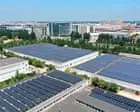
Donald Trump has ordered a 15% tariff on imported products made with polysilicon, a highly purified silicon used in solar panels and semiconductors. The measure, due to take effect on 4 December, is intended to strengthen US supply chains and reduce reliance on China, which is the main producer, amid competition over artificial intelligence, energy and national security.
The order also sets minimum import prices, including $21 (£15.62) per kilogram for polysilicon and $0.38 per watt for solar modules. US producers welcomed the move, while China said it was protectionist and harmful to trade; the Commerce Department may also introduce incentives for companies investing in US polysilicon production.
In short
- US imposes 15% tariff on polysilicon-related imports.
- Policy targets solar and semiconductor supply chains.
- China condemned the measure as protectionist.
Steelman: both sides, in good faith
The strongest fair case each way — we don't pick a winner.
The case for
Polysilicon is critical to both clean energy and semiconductors—technologies essential to national security and competitiveness in artificial intelligence. China's dominance of production creates strategic vulnerability; building domestic capacity, though costly in the short term, reduces dependence on a potential adversary and positions America for long-term technological leadership. The tariffs work alongside investment incentives to nurture domestic industry, mirroring approaches competitors use and justified by the asymmetric challenge of establishing supply chains against entrenched producers.
The case against
Tariffs on critical inputs like polysilicon increase costs for downstream manufacturers—solar companies and chipmakers—making clean energy more expensive and semiconductors less competitive, ultimately harming American consumers and businesses. Rather than creating sustainable advantage, tariffs distort markets and invite retaliation; genuinely competitive domestic production requires innovation and efficiency, not protection from market forces. Resources spent on tariff-supported production might yield greater economic benefit if directed toward research and education, allowing market forces to allocate capital efficiently whilst maintaining technological leadership through innovation.
Explained simply
Polysilicon is a very pure form of silicon. It is used to make the cells in solar panels and parts of semiconductors, the materials that help power computers and other electronics.
China is the world’s main producer of polysilicon, while the United States has sought to build up more domestic production. The material is part of wider competition between the two countries over technology, energy and national security.
The US government can use tariffs, or taxes on imports, to affect the cost of goods entering the country. Measures affecting polysilicon can therefore matter to manufacturers and buyers across the solar and electronics industries.
Americas Asia Technology World