Technology news and discussion on TalkFuse.
AI has an opinion and it usually leans left. You have a right to know its agenda
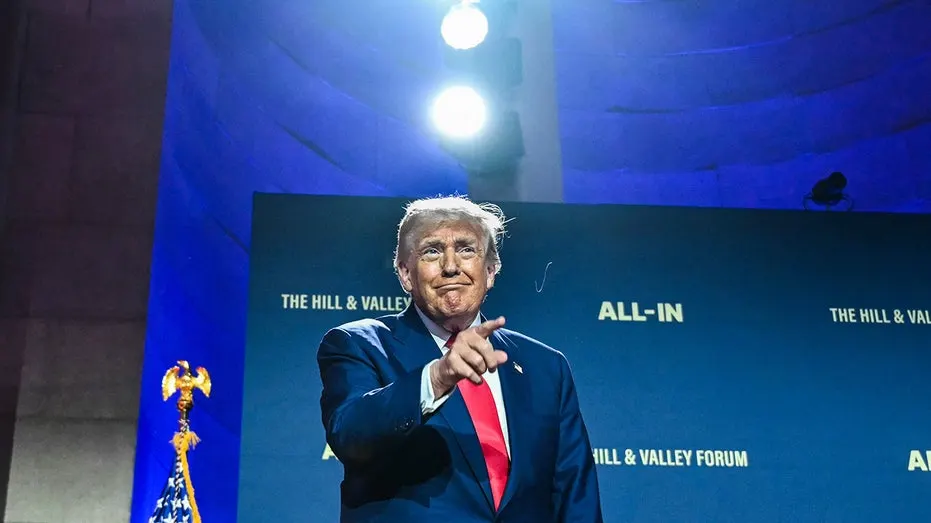
The article argues that artificial intelligence systems should disclose any political or ideological biases that shape their answers. It says this matters because AI is becoming influential in areas including employment, healthcare, national security and consumer protection, while users may assume its responses are neutral and factual.
The author contends that general-purpose AI tools can present apparently balanced explanations while embedding undisclosed preferences or assumptions. It calls for greater transparency about how models are trained, governed and moderated, framing hidden bias as a consumer-protection concern rather than simply a technical issue.
In short
- The article calls for transparency over political bias in AI.
- It warns users may mistake biased answers for neutral information.
- The author frames disclosure as a consumer-protection issue.
Steelman: both sides, in good faith
The strongest fair case each way — we don't pick a winner.
The case for
Artificial intelligence systems are increasingly influential in decisions affecting employment, healthcare, and other significant domains, yet users often assume they receive neutral, factual information. If these systems embed political or ideological biases through training data, design choices, or content moderation, users deserve to know this for informed decision-making. Transparency about how models are trained and governed is a consumer protection issue analogous to financial disclosures, enabling people to evaluate credibility and account for possible skew.
The case against
Characterising AI as having "opinions" or "agendas" anthropomorphises these systems in ways that obscure rather than illuminate. AI outputs reflect complex training processes and design choices, not ideological positions; meaningful transparency instead requires detailed technical documentation of methodology, data and limitations. Attempting to engineer systems for measurable political balance risks introducing new distortions, and focusing on whether AI "leans left" may reflect user perceptions rather than objective technical fact.
Explained simply
Artificial intelligence tools generate responses by learning patterns from large collections of text and other data, then following rules set by their developers. The choices of training material, design and moderation can affect what they say and how they frame a subject.
Companies that build these tools decide how they are trained and what limits guide their answers; users may not be able to see those choices. As AI is used in areas such as hiring, healthcare and public services, its responses could influence decisions that affect people.
The debate is over how clearly developers should explain these influences and what users should be told. It connects questions about political or other assumptions in AI answers with consumer protection and public trust.
AI Elections Politics Technology World