Church protesters could face tougher penalties under rare bipartisan crackdown
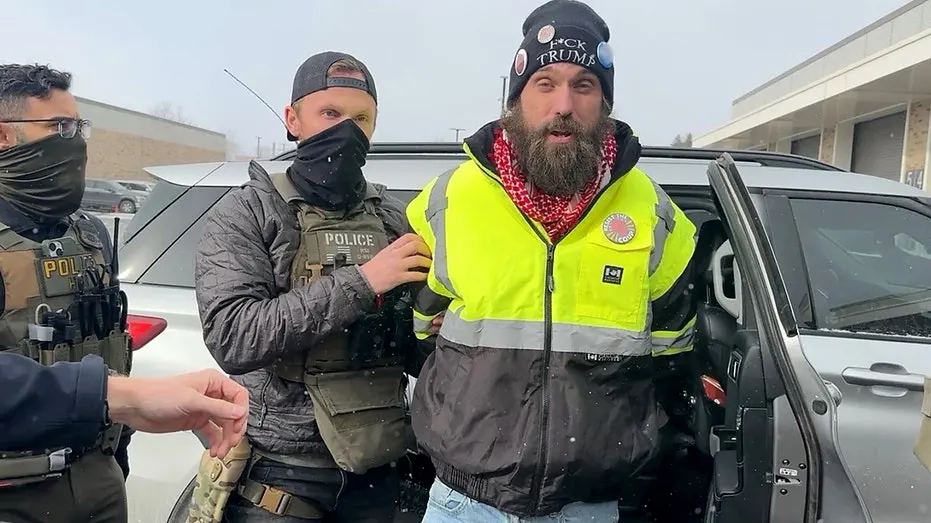
A bipartisan group of US House members has introduced legislation intended to strengthen protections for people attending religious services, responding to protests that have disrupted or obstructed access to houses of worship. Supporters say the measure would safeguard religious freedom and public safety, while its significance lies in the unusual cross-party agreement on balancing worshippers’ rights with protest rights.
The proposed SACRED Act would create a 100-foot protected zone around churches, synagogues, mosques and other religious institutions, making it a federal offence to harass or intentionally disrupt people within that area. It follows recent protests at religious sites, including a disruption of a Minnesota church service, and comes amid wider debate over whether such restrictions could also limit peaceful protest and free speech.
- Bipartisan House bill seeks stronger protections for worshippers.
- It would establish 100-foot protected zones around religious sites.
- Critics may question its effect on peaceful protest rights.
Both sides, in good faith
The strongest fair case each way — we don't pick a winner.
The case for
Those supporting the legislation emphasise that religious freedom is a cornerstone of democratic society, and worshippers ought to be able to practise their faith without harassment or intimidation. They contend that a 100-foot protective zone strikes a reasonable balance, permitting lawful protest whilst ensuring that people can access places of worship and participate in services undisturbed. The bipartisan nature of the proposal, they argue, reflects genuine consensus that public safety and the right to religious assembly warrant this measure, particularly given recent incidents that have crossed the line from peaceful expression into deliberate disruption.
The case against
Opponents caution that broadly defining "harassment" and "intentional disruption" in federal statute risks criminalising legitimate protest and free speech, which are themselves fundamental rights protected by the Constitution. They worry that a 100-foot federal exclusion zone may be excessive and that existing laws against threats, violence and trespass already address genuine safety concerns without expanding criminal liability for peaceful demonstration. Activists contend that when people's consciences are troubled by institutional practices or doctrines, the ability to protest—even at or near religious sites—remains an important democratic check, and that vagueness in the legislation could chill protected expression or be applied unequally.