What’s the Worst Camp Miasma Movie? Jane Schoenbrun Breaks Down Their Alt-Universe Slasher Franchise
Jane Schoenbrun discusses the fictional Camp Miasma slasher franchise created for their new film, Teenage Sex and Death at Camp Miasma, using it to parody the familiar rise, decline and reboot cycle of long-running horror series. The franchise’s elaborate opening-credits sequence establishes a world of sequels, merchandise and fan culture, while also supporting the film’s critique of Hollywood’s commercial exploitation of horror.
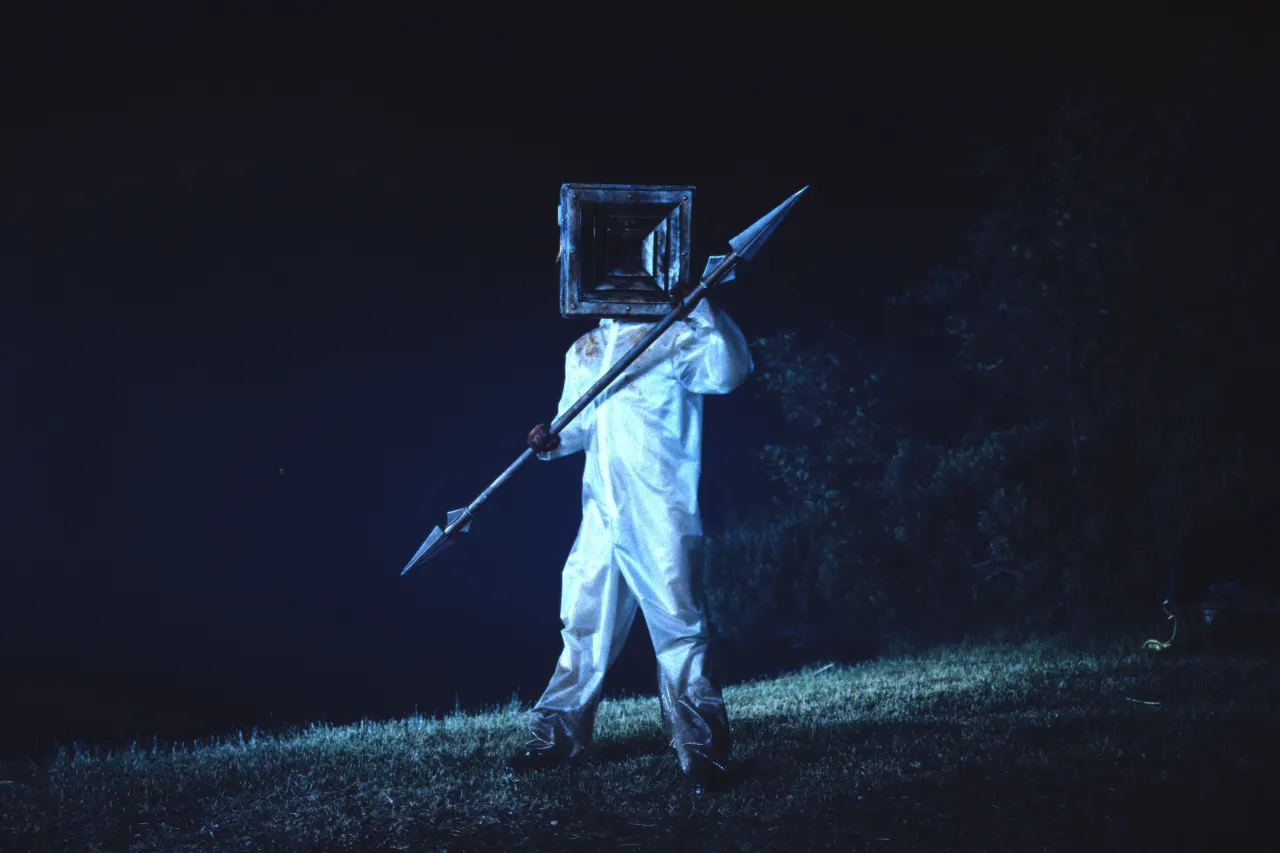
The film stars Hannah Einbinder as an emerging director asked to revive Camp Miasma, who seeks out its original “Final Girl”, played by Gillian Anderson, as reality begins to distort around them. Schoenbrun said the credits were filmed on the final day, after the creative team had spent production building props including videotapes, posters, games and costumes; titles such as Miasma 3000 and Psychic Warriors deliberately echo real horror-franchise excesses. The fictional killer, Little Death, wears a large vent on their head and uses an oversized spear, while the increasingly absurd sequels underline Schoenbrun’s affection for genre conventions.
- Camp Miasma satirises the lifecycle of horror-film franchises.
- Its detailed credits were built as a fan-focused fictional archive.
- Schoenbrun uses the series to mock Hollywood’s commercial instincts.
New here? Start with this
Long-running horror series often follow a familiar pattern: an original film spawns sequels, merchandise and a devoted fan community, before later entries become less popular and a studio tries to revive the series. These cycles can turn a scary story into a commercial brand, with each new film expected to attract audiences and extend the franchise.
In Teenage Sex and Death at Camp Miasma, Jane Schoenbrun invents a slasher series called Camp Miasma to play with that pattern. The film follows an emerging director, played by Hannah Einbinder, who is asked to revive the series and approaches its original “Final Girl”, played by Gillian Anderson.
The fictional films, props and fan culture draw on familiar horror conventions while making the franchise increasingly absurd. This gives viewers a way into the film’s interest in how Hollywood packages horror for audiences, and how creators can both value a genre and question the business built around it.