READ THE DOCUMENTS: Secret ‘Oxferd Comma’ probe cast Trump as potential Russian asset after Comey firing
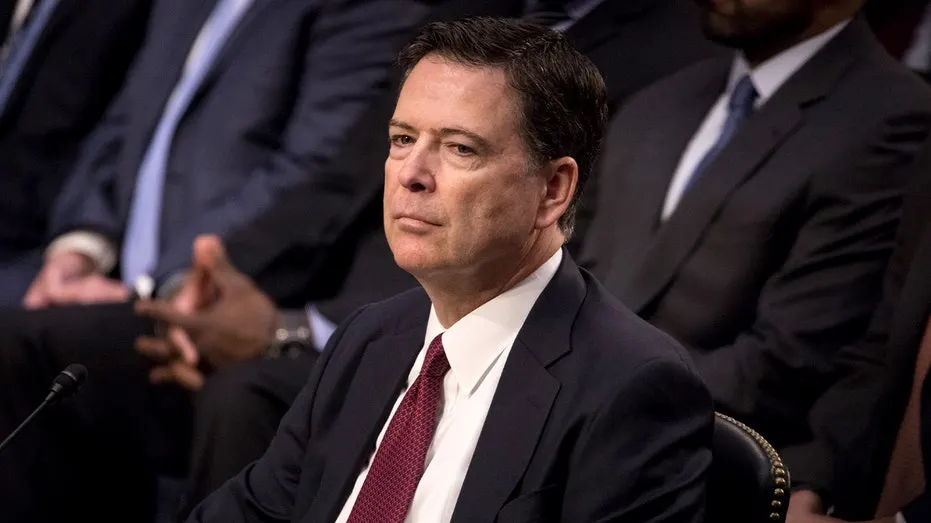
The White House has released declassified FBI documents concerning a 2017 investigation into whether then-President Donald Trump might have been acting for, or under the influence of, Russia after he dismissed FBI Director James Comey. The disclosure matters because it sheds further light on the FBI’s response to the firing and the origins of scrutiny of Trump’s relationship with Russia.
According to the article, the inquiry was codenamed “Oxferd Comma” and was opened shortly after Comey’s dismissal in May 2017. The documents reportedly describe the FBI examining whether Trump’s actions could have been intended to benefit Russia, although the excerpt does not state the investigation’s final conclusions or provide further details of the evidence considered.
In short
- Declassified memos reveal a 2017 FBI inquiry after Comey’s firing.
- Investigators examined possible Russian influence over Trump.
- The excerpt does not give the inquiry’s outcome.
Steelman: both sides, in good faith
The strongest fair case each way — we don't pick a winner.
The case for
Given documented Russian interference in the 2016 election and the president's dismissal of the FBI director who was overseeing Russia-related investigations, examining whether this action might have served foreign interests represented a legitimate national security concern. The FBI's obligation to investigate potential vulnerabilities to foreign influence constitutes a core institutional responsibility. Transparency regarding such inquiries allows the public to evaluate whether institutions acted appropriately.
The case against
The investigation transformed a president's lawful exercise of authority—dismissing a cabinet officer—into grounds for suspicion of foreign allegiance based on speculative inference rather than concrete evidence. It reflects institutional bias and employs circular reasoning: because Russia might theoretically have preferred Comey's removal, the removal itself became suspect. This approach conflates ordinary policy disagreement with potential treason, undermining the proper constitutional relationship between the presidency and law enforcement.
Explained simply
In 2017, Donald Trump was US president and James Comey was director of the FBI, the federal agency that investigates crimes and threats to national security. Trump dismissed Comey in May that year, while the FBI was investigating Russian interference in the 2016 US election and possible links between Russia and people in Trump’s campaign.
The documents concern an FBI inquiry into whether Trump’s actions might have benefited Russia or reflected Russian influence. The reported material does not set out the inquiry’s final conclusions or all the evidence it considered. The episode matters because it helps explain how the FBI responded to Comey’s dismissal and examined Trump’s relationship with Russia.