Indie game publisher Devolver Digital wants to go private
Devolver Digital is seeking shareholder approval to delist from the stock market and return to private ownership after several difficult years as a public company. It argues that its current share price undervalues the business and that private ownership would let management focus more on the publisher’s long-term health rather than public-market obligations.
The publisher was valued at about £694.6m when it floated in 2021, but its share price has since fallen 96.27%, leaving it valued at roughly £34.64m. Shareholders will vote at the annual general meeting on 8 September; if approved, Devolver would become private on 16 September and expects to save about $1.6m annually.
- Devolver Digital wants to leave the stock market.
- Its share price has fallen over 96% since 2021.
- Shareholders will vote on 8 September.
New here? Start with this
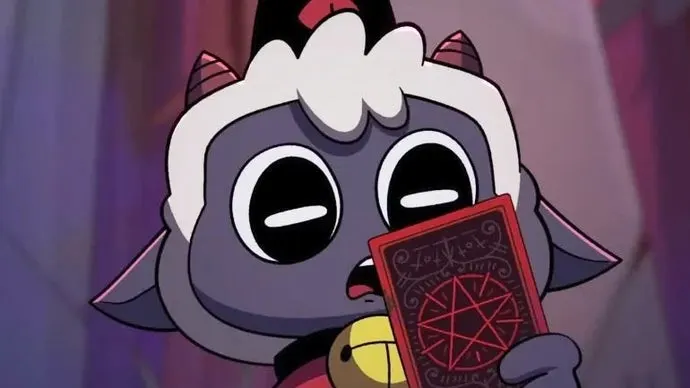
Devolver Digital is a British video game publisher, best known for working with independent studios to release games such as Fall Guys and Cult of the Lamb. A publisher helps fund, market and distribute games made by development teams.
The company joined the stock market in 2021, meaning investors could buy and sell shares in it. Going private would end that public trading and give ownership to a smaller group of investors, changing how the company is funded and how it reports to shareholders.
The proposal comes after a steep fall in Devolver’s market value. The decision matters to shareholders, who must weigh the offer against the company’s prospects, and to the studios and staff who work with the publisher.
Both sides, in good faith
The strongest fair case each way — we don't pick a winner.
The case for
Devolver Digital's case rests on the genuine burden of public-market obligations that can distract management from long-term creative and strategic decisions. With the share price having collapsed 96% since flotation, going private at this juncture allows the company to escape quarterly earnings pressures, save $1.6m in annual compliance costs, and pursue the patient, artistically-driven business model that suits a publisher of indie games. The current valuation arguably reflects temporary market pessimism rather than fundamental value, and private ownership offers the freedom to rebuild without the constant scrutiny of shareholders fixated on short-term performance.
The case against
Current shareholders risk crystallising losses by accepting a return to private ownership at a moment when the share price is severely depressed, forfeiting any opportunity to benefit from a potential recovery if the company's fortunes improve. The dramatic 96% decline suggests material problems with business execution or market strategy that going private does not address; private ownership may merely hide ongoing difficulties rather than solve them. Shareholders deserve the liquidity and optionality that public markets provide, and if management believes the company is undervalued, the appropriate response would be attracting a credible takeover bid at a price materially above the current market level, not simply withdrawing from public scrutiny.