Sport news and discussion on TalkFuse.
NBA star Kyrie Irving got his apology, but four COVID-era athletes still waiting for theirs from the media
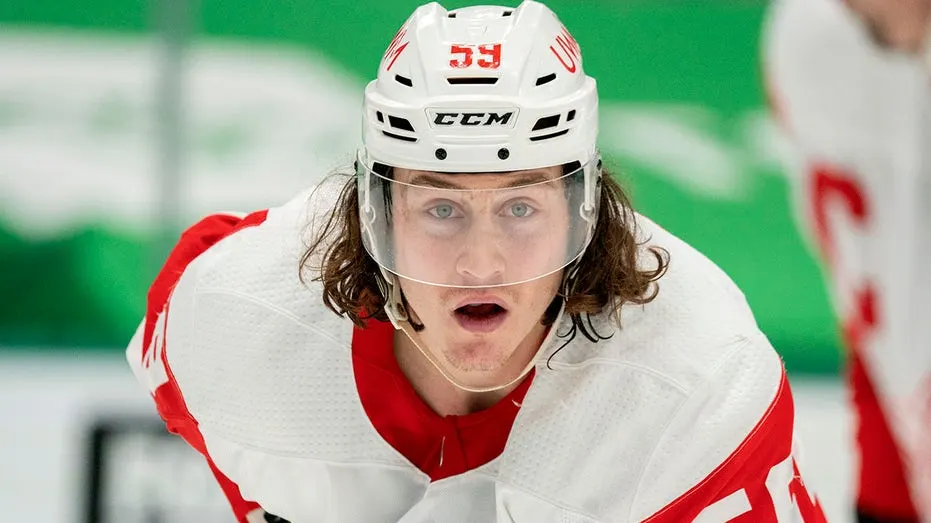
NBA star Kyrie Irving recently received an on-air apology from ESPN's Stephen A. Smith over his decision to remain unvaccinated during the COVID-19 pandemic, a stance that reportedly cost him millions of dollars in lost earnings. The moment prompted a Fox News/Outkick columnist to argue that several other athletes who made similar choices during the pandemic have never received comparable acknowledgement from the media, despite facing significant professional and financial consequences for prioritising personal choice over vaccination mandates.
The piece highlights tennis star Novak Djokovic, who was deported from Australia before the 2022 Australian Open and barred from competing in the United States at tournaments including Indian Wells, the Miami Open and the US Open, despite insisting he was not "anti-vaccine" but supported bodily autonomy; outlets such as Time, Vanity Fair and Axios framed him negatively during the saga. It also cites former Detroit Red Wings forward Tyler Bertuzzi, one of only a handful of unvaccinated NHL players, who missed every regular-season game in Canada during 2021-22 due to border restrictions, forfeiting roughly half a million dollars in salary, and was labelled "short-sighted and selfish" by media at the time. The article, cut short in the extract provided, indicates two further unnamed athletes were also to be discussed as deserving similar apologies.
In short
- Stephen A. Smith apologised to Kyrie Irving over his COVID-vaccine stance.
- Columnist says other athletes, like Djokovic and Bertuzzi, deserve apologies too.
- Both stars faced major financial and career costs for staying unvaccinated.
Steelman: both sides, in good faith
The strongest fair case each way — we don't pick a winner.
The case for
Athletes who declined vaccination faced substantial professional consequences, and if media outlets subsequently recognised they applied unfair framing to vaccination choices, consistency demands similar acknowledgement across comparable cases. The principle of fair representation suggests that if Irving's emphasis on bodily autonomy now warrants an on-air apology, the same standard should apply to athletes like Djokovic and Bertuzzi, whose positions may have been similarly mischaracterised or whose consequences were equally severe.
The case against
Media coverage during the pandemic reasonably reflected genuine public health concerns, and athletes who declined vaccination made conscious choices with foreseeable professional consequences. Calls for retroactive apologies conflate journalistic scrutiny of significant health policy decisions with unfair bias; journalists covered serious public health guidance, and individuals who chose differently bore the natural consequences of that choice rather than suffering unjust treatment meriting collective media apologies.
Explained simply
During the COVID-19 pandemic, governments and sports leagues introduced vaccination rules that affected where some athletes could travel and compete. Players who remained unvaccinated sometimes missed games and income, while their choices became a subject of public debate.
Kyrie Irving is an NBA basketball player, Novak Djokovic is a tennis player, and Tyler Bertuzzi is an ice hockey player. Their cases involved different leagues and travel rules, but each drew media attention over the consequences of remaining unvaccinated.
The story raises a question about how news outlets described athletes who opposed or declined vaccination requirements, and whether those athletes were treated fairly. It matters because media coverage can shape public perceptions of personal choices made during a public-health crisis.
Basketball Celebrity Entertainment Sport World