Culture news and discussion on TalkFuse.
Trump’s chilling three-word prediction about the GOP’s chances to maintain power in the midterms
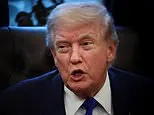
Donald Trump has voiced concern that Republican voters may stay home in November's midterm elections because his own name is not on the ballot, asking pointedly, "Will they vote?" In an interview with Punchbowl News, he acknowledged that many conservative voters are angry with congressional Republicans, though not with him personally, raising doubts about turnout that could determine whether the party keeps control of Congress for the rest of his term.
Prediction markets currently give Republicans less than a 20% chance of retaining the House, while their odds of holding the Senate stand at a more favourable 54%, according to Kalshi data. Trump noted he has a $400 million war chest through his MAGA Inc political action committee that he intends to deploy to help Republican candidates. He also touched on his relationships with congressional leaders, praising House Speaker Mike Johnson as a "fantastic person" while declining to say whether he would back Senate Republican Leader John Thune for another term, amid ongoing tension over stalled voter ID legislation.
In short
- Trump fears Republican voters may not turn out without him on the ballot
- Prediction markets favour Democrats retaking the House, Republicans holding the Senate
- Trump plans to spend his $400m war chest to aid GOP candidates
Steelman: both sides, in good faith
The strongest fair case each way — we don't pick a winner.
The case for
Trump's concern about voter turnout reflects a documented political reality: conservative voters are significantly more enthusiastic about him than about congressional Republicans, and midterm turnout depends heavily on base motivation. His observation that voters might stay home without his name on the ballot is reasonable political analysis, and his deployment of a $400 million war chest to support Republican candidates represents constructive engagement to address a genuine challenge. His willingness to mobilise his political capital demonstrates commitment to party success.
The case against
Trump's emphasis on his personal centrality to Republican turnout may reflect self-interested narrative-building rather than accurate political diagnosis. Midterm elections are influenced by multiple factors—local conditions, policy performance, economic concerns—that transcend presidential personality, and overemphasising his importance could distract from addressing substantive problems. Moreover, his selective support of candidates and reluctance to endorse leaders like Thune suggests he's consolidating personal control over the party rather than pursuing unified strategy, creating internal tensions that could actually harm Republican prospects.
Explained simply
Midterm elections take place halfway through a US president’s four-year term. Voters choose all 435 members of the House of Representatives and about a third of the 100 senators, so the results can change which party controls Congress.
Donald Trump is a Republican president, and his party currently holds both chambers of Congress. Republican candidates may benefit from his support, but voters choose them separately from the president; turnout and local races can affect whether the party keeps its majorities.
Congress passes laws and oversees the government, while party leaders organise their members and guide legislation. The House speaker is Mike Johnson, and John Thune leads Republicans in the Senate; relations between Trump and these lawmakers can shape how readily his priorities advance.
Art Culture Elections Politics World