Trump administration spends another $1.2 billion to kill offshore wind farm projects
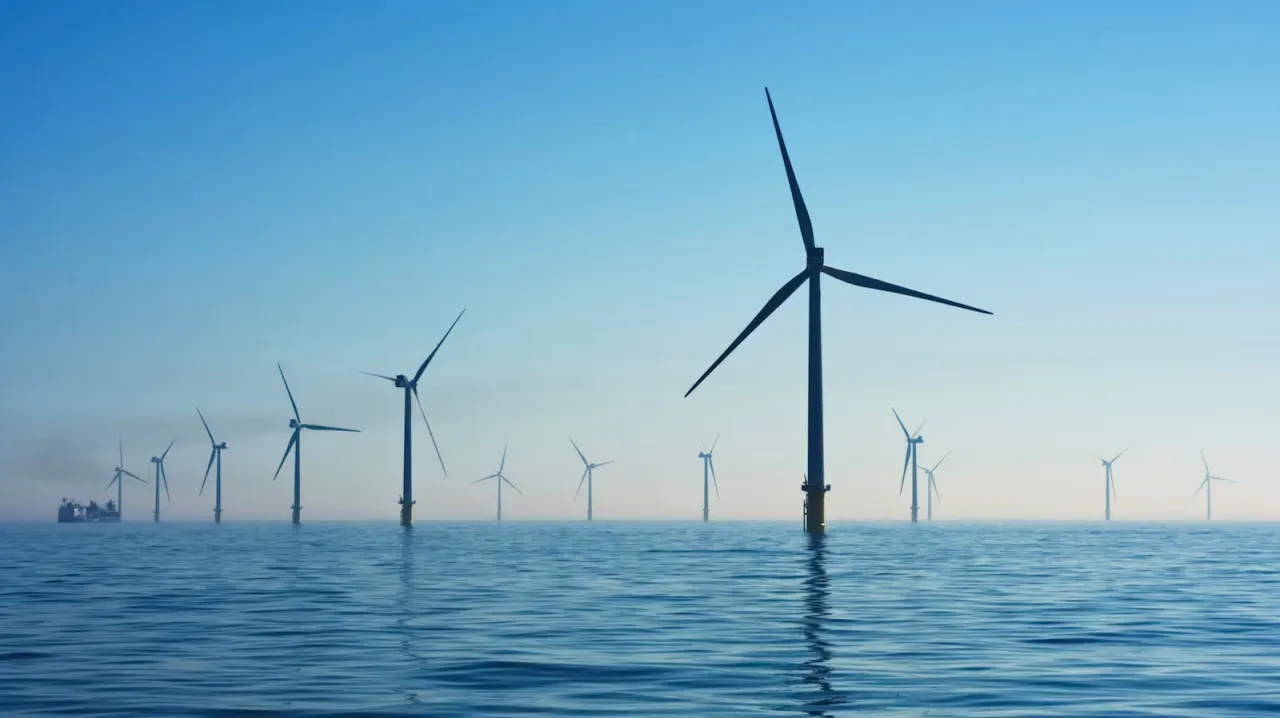
The Trump administration has agreed to pay German energy company RWE more than $1.2 billion to cancel offshore wind leases near New York, California and Louisiana, while directing investment towards fossil-fuel projects. The deal is significant because it represents the administration’s fifth reported settlement to end renewable-energy developments, reflecting its broader support for fossil fuels and opposition to offshore wind.
RWE will invest $900 million for a 16 per cent stake in a Louisiana liquefied natural gas project run by Woodside Energy, and $300 million to develop 15 natural-gas peaker plants. RWE said the $1.22 billion settlement resolves its legal claims and allows it to pursue projects with greater certainty; the article says the administration has spent about $4 billion in total on cancelling green-energy projects.
In short
- US pays RWE $1.2 billion to abandon offshore wind leases.
- RWE will instead invest in LNG and gas-fired plants.
- It is the administration’s fifth reported renewable-project cancellation deal.
Steelman: both sides, in good faith
The strongest fair case each way — we don't pick a winner.
The case for
The administration's supporters argue that fossil fuels remain essential for reliable, affordable energy whilst renewable technologies continue to mature, and that settling these disputes provides much-needed business certainty for investment in traditional energy infrastructure. They contend that natural gas peaker plants and liquefied natural gas projects create stable, dispatchable power sources and valuable employment, whilst supporting domestic energy independence and reducing reliance on intermittent renewable generation.
The case against
Critics contend that this policy represents a costly retreat from necessary climate action, citing scientific consensus that rapid transition to renewables is essential to address global warming. They argue that the £1.2 billion in public funds would generate greater long-term value if invested in renewable infrastructure, whose costs have fallen dramatically, and that the administration is sacrificing environmental protection and future economic benefits for short-term gains in traditional energy sectors.
Explained simply
Offshore wind farms generate electricity using turbines built at sea. Companies such as Germany’s RWE lease areas of the seabed to develop them, while the US government sets rules for those leases and can face legal claims if projects are stopped.
Liquefied natural gas is gas cooled into liquid form for transport, and peaker plants are power stations that can be switched on when electricity demand is high. RWE’s planned investments in these projects would shift funding towards natural gas, a fossil fuel, as the company gives up wind leases.
The issue matters because it involves the future of US energy supply and the cost of changing government policy. A series of settlements to end renewable-energy projects could affect public spending, energy companies’ plans and the mix of power sources available.