Technology news and discussion on TalkFuse.
One of NASA’s Mars rovers could find itself promised to the moon instead
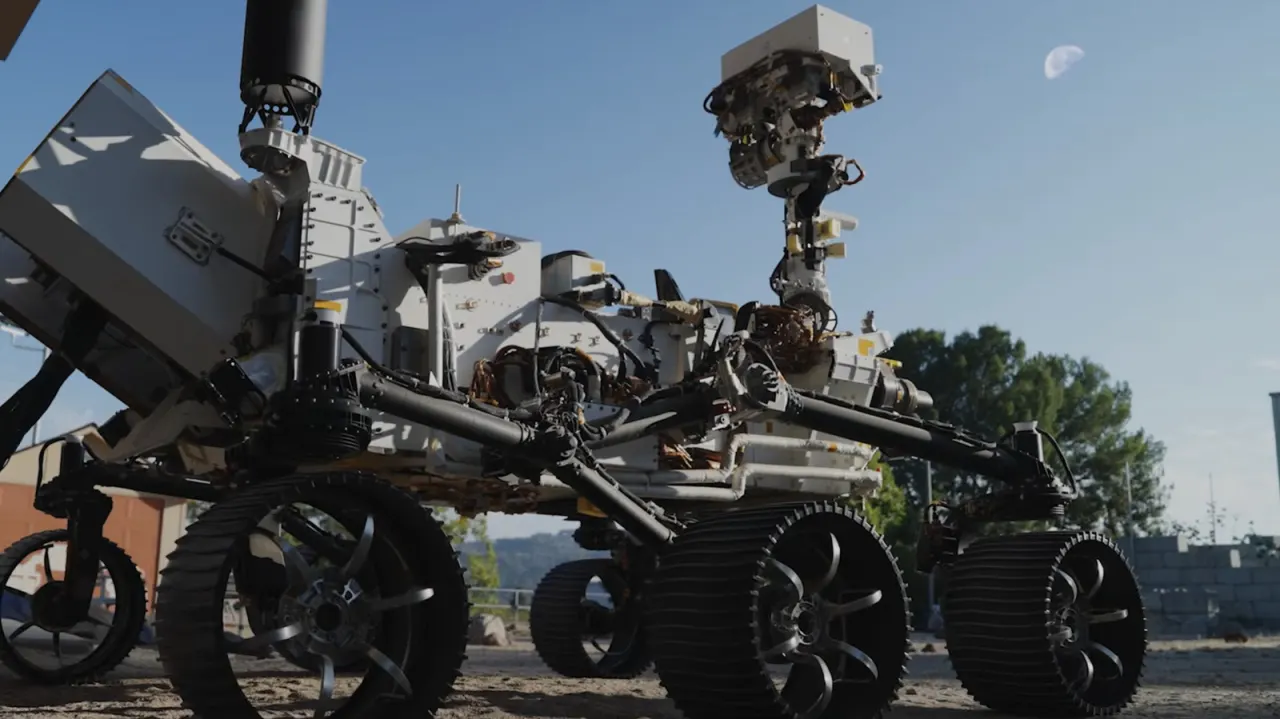
NASA is considering converting an Earth-based engineering replica of its Mars rovers into PROMISE, a rover designed to explore the Moon’s south pole. The proposal could support future lunar bases by mapping the surface and subsurface in an area thought to contain significant water ice.
PROMISE may combine elements of Perseverance and Curiosity’s test models, with Perseverance’s former test rover OPTIMISM expected to form the basis. NASA intends to equip it with a plutonium-powered radioisotope generator, allowing it to operate through lunar night and in permanently shadowed areas, but the vehicle still lacks key flight-ready systems and protection against sharp lunar dust. Estimates put its cost at $700 million to $1.3 billion, with a possible launch in the early 2030s.
In short
- NASA may adapt a Mars rover test model for lunar exploration.
- PROMISE could investigate water-rich regions at the Moon’s south pole.
- Major upgrades are needed before an early-2030s launch.
Steelman: both sides, in good faith
The strongest fair case each way — we don't pick a winner.
The case for
Supporters of PROMISE argue that converting an existing, proven rover platform represents prudent resource stewardship whilst advancing the essential objective of lunar exploration. The south pole mapping mission could provide crucial data about water ice resources necessary for sustainable lunar bases, and leveraging Perseverance's tested design reduces developmental risk compared with building entirely new systems from scratch.
The case against
Critics contend that the £500 million to £900 million cost for a converted test rover lacking flight-readiness, combined with unresolved technical challenges including protection against abrasive lunar dust, raises serious questions about cost-effectiveness. They argue this substantial investment might deliver greater scientific value if directed towards purpose-built lunar rovers or other space exploration priorities, and question whether accepting these outstanding engineering uncertainties represents the optimal path forward.
Explained simply
NASA’s Mars rovers are robotic vehicles built to study the planet’s rocks, soil and past conditions. Engineers also use Earth-based replicas to test how the rovers work; these replicas are not designed for spaceflight.
NASA is considering adapting one such test vehicle for the Moon’s south pole, where water ice may lie in the soil, including in areas that receive little or no sunlight. Finding and mapping ice could help scientists understand the Moon and assess resources for future human missions. A rover working through the long lunar night would need reliable power and protection from the Moon’s fine, abrasive dust.