World news and discussion on TalkFuse.
US Army offering defense firms ‘concierge access’ to test weapons at military ranges
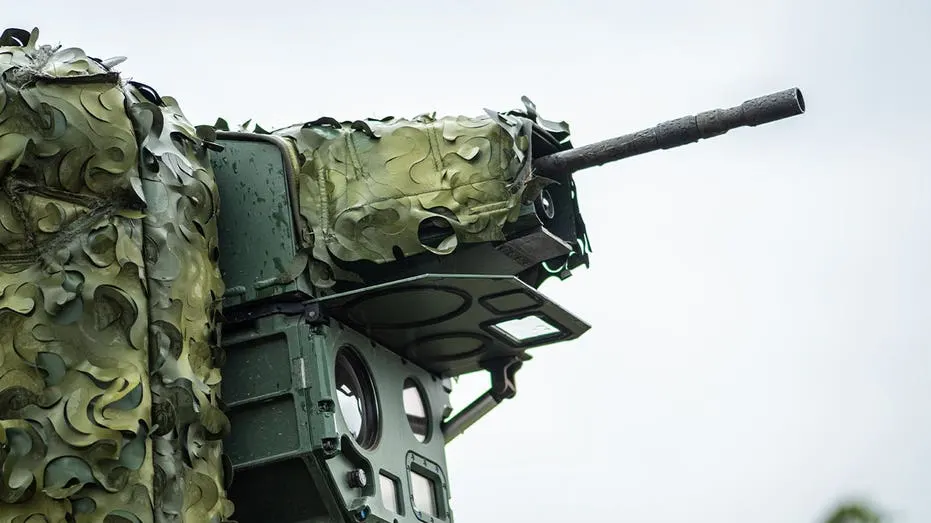
The US Army is opening its military test ranges to private defence companies, offering what it describes as “concierge” access to help firms test weapons more quickly. The initiative matters because faster testing could shorten the time needed to develop and field new military equipment.
Companies are being offered access within 30 days, according to the article’s headline. The policy is intended to reduce delays associated with securing test facilities and support defence-sector experimentation and procurement.
In short
- US Army opens test ranges to defence firms.
- Access could be arranged within 30 days.
- Scheme aims to speed weapons testing.
Steelman: both sides, in good faith
The strongest fair case each way — we don't pick a winner.
The case for
Accelerating weapons development is vital for maintaining military technological superiority amid intensifying great-power competition. By reducing bureaucratic delays in accessing test ranges, the Army enables defence firms to iterate faster and field advanced capabilities more quickly, strengthening overall defence readiness without compromising safety or quality standards. Streamlined access supports innovation across the defence-industrial base, which ultimately benefits military effectiveness.
The case against
Expedited testing and preferential access arrangements risk undermining crucial oversight mechanisms and environmental protections designed to ensure weapons systems are thoroughly vetted before deployment. The "concierge" model may create improper conflicts of interest, favouring well-connected large contractors whilst disadvantaging smaller innovators, and prioritising speed over the rigorous evaluation necessary to ensure new equipment meets proper standards and serves troops effectively.
Explained simply
Military test ranges are controlled sites where the armed forces assess equipment such as weapons under set conditions. Testing can show how a system performs and help identify problems before it is considered for military use.
The US Army operates these ranges and buys equipment from private defence firms. Companies may need access to suitable facilities to develop and assess their products, while the Army uses testing to inform decisions about what equipment might meet its needs.
The time and process involved in testing can affect how quickly new equipment is developed and considered for service. Changes to access arrangements therefore matter to both the firms making military products and the Army responsible for evaluating them.