Japan has reportedly asked the US to stop using Mario, Pokemon, and others in social media posts
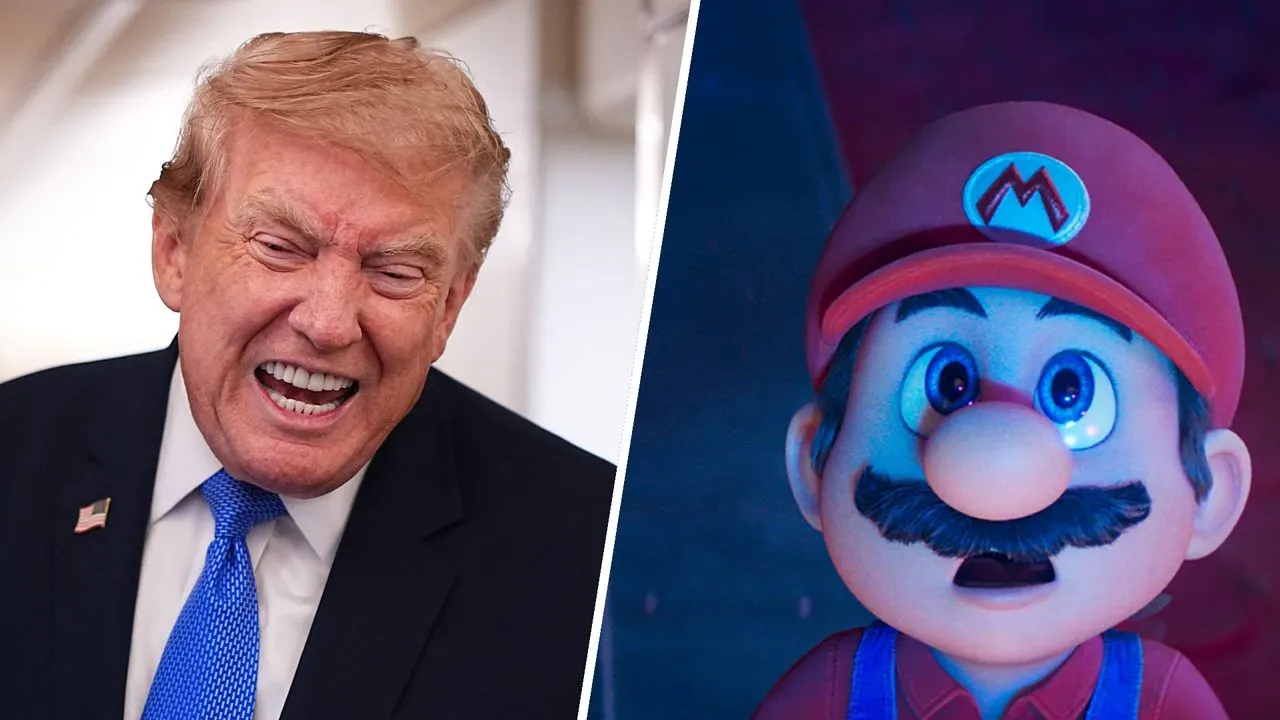
The Japanese government has reportedly asked US officials to stop using characters from Nintendo and other Japanese franchises, including Mario and Pokémon, in official social media posts. The request follows a string of posts by US government accounts, notably around immigration enforcement, that used popular Japanese game and animation characters in memes, prompting concern in Tokyo about unauthorised use of its intellectual property and the reputational association with divisive political messaging.
Japanese authorities are said to view the imagery as being used without permission and in contexts that could damage the standing of beloved characters and the companies behind them, such as Nintendo and The Pokémon Company. The report highlights growing friction between Japan's cultural exports and their appropriation by foreign government bodies for unrelated political communications, an issue Tokyo is understood to be raising through diplomatic channels rather than legal action.
In short
- Japan reportedly asked the US to stop using its characters in posts
- Mario, Pokémon and others allegedly used in US social media content
- Concerns cited over unauthorised use and reputational damage
Steelman: both sides, in good faith
The strongest fair case each way — we don't pick a winner.
The case for
Using copyrighted characters without permission from their creators undermines intellectual property principles, even for government communications. When characters designed as wholesome, apolitical entertainment become associated with divisive political messaging such as immigration enforcement, this risks damaging their carefully cultivated brand reputation and the commercial interests of Japanese companies. The request reflects a reasonable expectation of courtesy and respect for another nation's cultural exports.
The case against
Government use of readily available, culturally significant images falls within fair use principles, particularly since it is non-commercial and transformative rather than exploitative. These popular characters are part of global shared culture, and their use in government communications does not misrepresent them or falsely suggest company endorsement. If Japanese companies genuinely believed there was legal harm, they could pursue remedies through proper channels rather than relying on diplomatic requests.
Explained simply
Mario and Pokémon are characters from Japanese video games and animation that have become familiar around the world. Their characters and related artwork are owned or licensed by companies including Nintendo and The Pokémon Company, which control how they are used.
Governments use social media to explain policies and promote their work, sometimes using popular images to attract attention. Using a character in an official post can link it to the message, even when the character’s owners have not approved that use.
The issue matters because Japan’s games and animation are major cultural exports, and unauthorised uses can raise questions about intellectual property and the reputations of the characters and companies. It also touches on how cultural icons are used in political communication across borders.
Americas Asia Entertainment Gaming