Entertainment news and discussion on TalkFuse.
The men who fled these socialist regimes have a terrifying warning
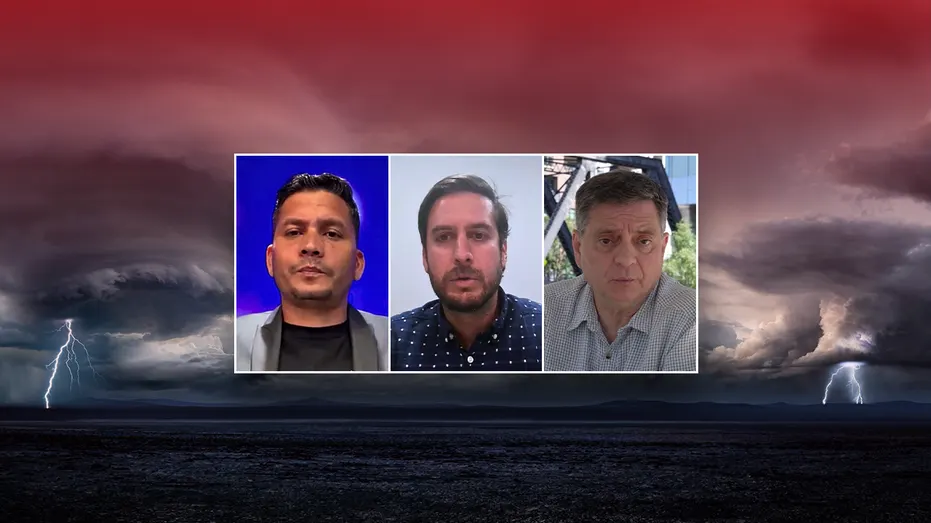
Three men who fled socialist and communist governments in Venezuela, Cuba and the Soviet Union have spoken to Fox News Digital about the hardships they endured, framing their accounts as a warning to Americans about socialism. Emmanuel Rincón, Eliécer Ávila and Gene Maine each described severe shortages, repression and censorship in their home countries, arguing that such experiences are difficult for people in the United States to fully appreciate. The interviews come amid heightened political debate in the US over socialism, following recent primary wins by socialist candidates and continued US sanctions on Cuba.
Rincón, who left Venezuela in 2017, recalled multi-day power cuts and daily water shortages under Chavista rule, while Ávila, a Cuban who also left in 2017, described a total absence of basic goods and said he was jailed more than 40 times and later branded a "most wanted terrorist" after his pro-democracy activism, including a leaked BBC video, angered officials. Maine, who escaped the Soviet Union with his mother in 1981, said state propaganda and the suppression of religion and free speech defined his upbringing. All three men said their aim was to alert Americans to what they see as the true nature of socialist and communist systems, with Rincón further describing Venezuela's rulers as "narco-terrorists".
In short
- Immigrants from Venezuela, Cuba and USSR recount hardship under socialism
- They describe shortages, censorship, imprisonment and repression
- All warn Americans not to underestimate socialism's dangers
Steelman: both sides, in good faith
The strongest fair case each way — we don't pick a winner.
The case for
These testimonies from people who directly experienced socialist and communist regimes provide invaluable warnings about what happens when such systems are implemented. The shortages, repression, jailing of activists and suppression of basic freedoms described are not theoretical—they are documented realities these men endured. When similar ideological movements gain traction in American politics, these accounts serve as reminders of the concrete human costs of such systems, helping Americans appreciate hardships that may seem distant or abstract.
The case against
Whilst these testimonies describe real suffering, they should not be conflated with all forms of socialism or used to dismiss democratic policy proposals without nuance. The regimes in question combined socialist ideology with authoritarianism and institutional weakness—the latter being the primary driver of their failures, not socialism itself. Democratic countries with substantial social programmes, such as Nordic nations, demonstrate that such policies can coexist with robust institutions and freedoms. The American context differs fundamentally due to constitutional protections and established democratic traditions, making direct comparisons potentially misleading if they prevent thoughtful discussion of which specific policies might or might not work.
Explained simply
Venezuela, Cuba and the former Soviet Union have had governments that described themselves as socialist or communist, with the state playing a large role in the economy and public life. Their histories differ, but each has been criticised for restricting political opposition and freedom of expression, alongside periods of serious shortages.
Socialism is a broad political idea, and countries that use the label have not all followed the same system. In the United States, arguments over socialism often concern how much the government should provide or control, as well as the record of one-party states such as Cuba and the former Soviet Union.
The accounts of people who left these countries are part of that debate. They describe how government policies and limits on dissent affected daily life, while supporters of socialist policies in the US may have different aims and point to different examples.