Entertainment news and discussion on TalkFuse.
26 Years Later, Attack on Titan’s Best Quote Is Still One of the Coldest Quotes in Anime History
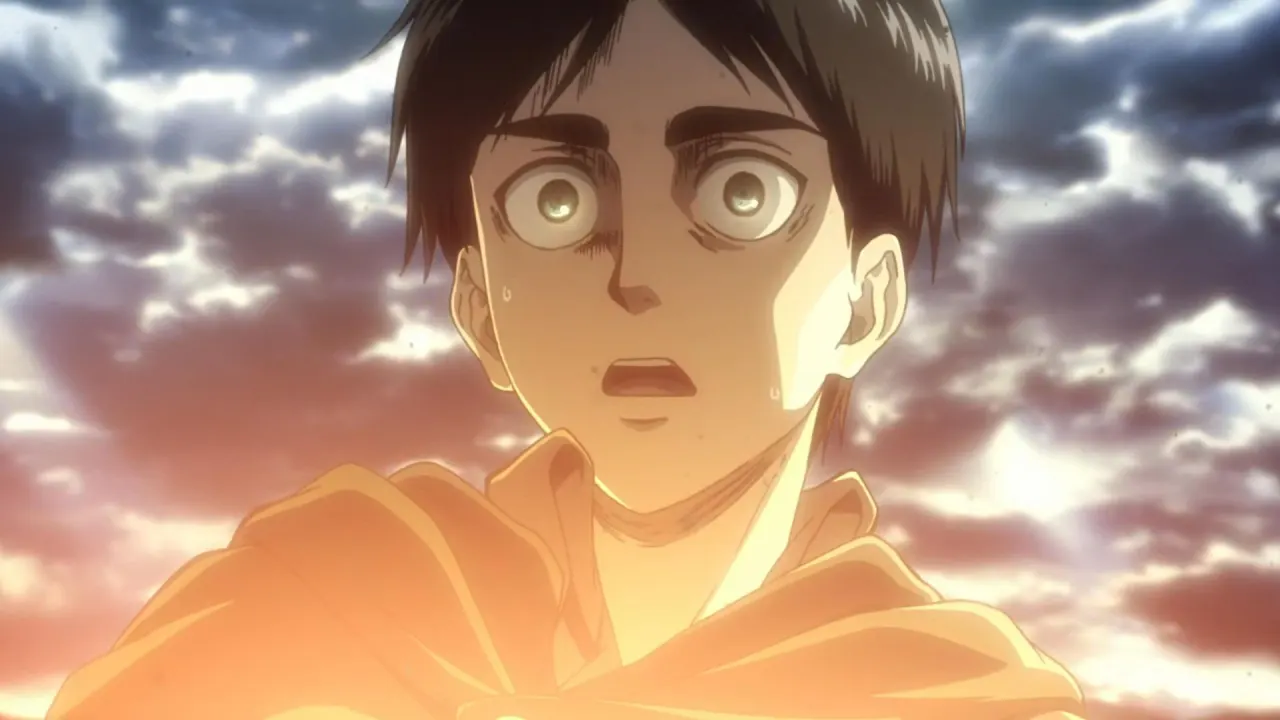
The article examines how Eren Yeager’s early Attack on Titan mantra — “If you lose, you die. If you win, you live. If you don’t fight, you can’t win!” — changes meaning over the course of the series. Initially presented as a defiant survival instinct typical of a determined hero, it later becomes associated with Eren’s increasingly uncompromising and destructive worldview, illustrating the story’s challenge to simple ideas of heroism and villainy.
The quote originates in a childhood flashback in which nine-year-old Eren kills human traffickers to save Mikasa, forming his belief that survival and freedom must be seized through violence if necessary. That outlook drives his conduct in military training and during the battle of Trost, when inexperienced cadets face a Titan attack, but the series later broadens its conflict beyond Titans to a wider cycle of fear, hatred and retaliation.
In short
- Eren’s battle cry shifts from heroic resolve to dangerous ideology.
- It stems from his childhood encounter with human traffickers.
- The series complicates conventional ideas of heroes and villains.
Explained simply
Attack on Titan is a Japanese manga and anime series set in a world where people live behind huge walls to protect themselves from giant creatures called Titans. Its central character, Eren Yeager, joins the military after Titans destroy his home, alongside his friend Mikasa and other young recruits.
Eren’s belief that people must fight to survive takes shape when, as a child, he rescues Mikasa from human traffickers. The early story presents this as an act of courage, but later events show how the same belief can support increasingly extreme choices.
As the conflict expands beyond the threat of Titans, the series explores how fear and past violence can fuel further retaliation. This makes Eren’s changing role central to its questions about freedom, survival and the line between heroism and harm.