ICE body camera releases must be in agency’s ‘best interests’: Policy
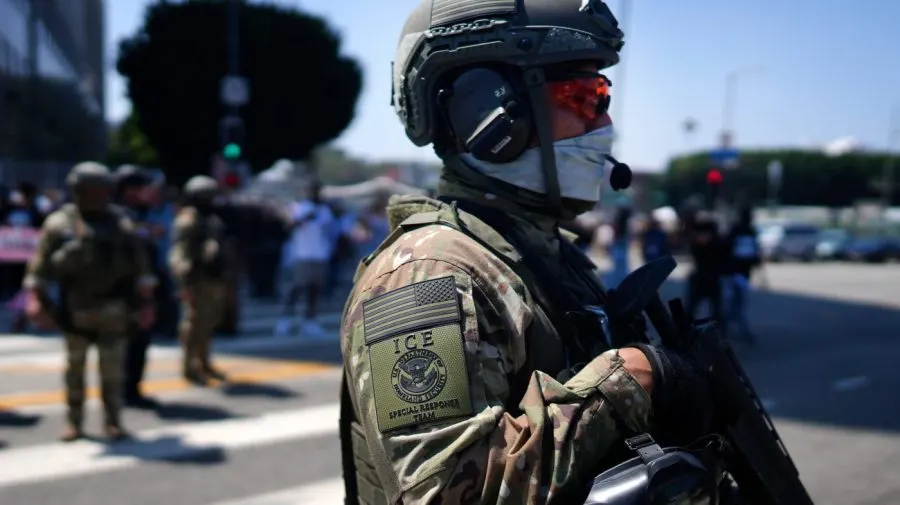
The article’s contents are unavailable because the linked page denied access, so the reported policy cannot be independently summarised from the material provided. Based on the headline alone, it appears to concern an ICE policy allowing body-camera footage to be released only when doing so serves the agency’s “best interests”.
No further details, such as the policy’s scope, legal basis, timing or implications for public transparency, are included in the accessible text. Any more specific account would risk adding unsupported information.
In short
- The article page denied access.
- Headline suggests restricted ICE body-camera releases.
- No policy details were accessible.
Steelman: both sides, in good faith
The strongest fair case each way — we don't pick a winner.
The case for
The policy protects critical operational security and officer safety by limiting disclosure of sensitive law enforcement techniques, procedures, and identifying information that could endanger personnel or compromise ongoing investigations. Releasing body camera footage indiscriminately could also violate the privacy rights of third parties captured incidentally and undermine legal cases before matters are resolved.
The case against
Body camera footage constitutes essential public record that enables democratic oversight of government agencies wielding significant coercive power. Allowing an agency to determine unilaterally when its own actions should remain private creates an obvious conflict of interest and undermines accountability for potential misconduct, excessive force, or civil rights violations. Public trust in institutions depends on transparency, particularly when law enforcement activities directly affect citizens' rights and safety.
Explained simply
US Immigration and Customs Enforcement, usually called ICE, is a federal agency responsible for enforcing immigration laws and detaining people facing immigration proceedings. Its officers may wear body cameras that record some encounters with the public.
The headline refers to when ICE may release those recordings, but the available information does not explain the policy’s scope or legal basis. Body-camera footage can provide a record of encounters, so rules about its release affect what the public can learn about the agency’s work.