Culture news and discussion on TalkFuse.
RFK Jr. set to release food ingredient review
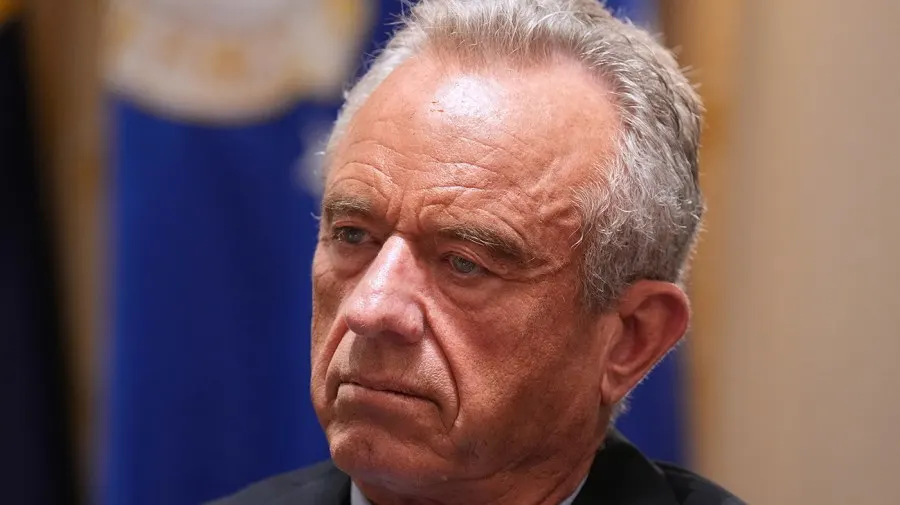
Health Secretary Robert F. Kennedy Jr. is expected to release a review of food ingredients, continuing the Trump administration’s “Make America Healthy Again” agenda. The move matters because it could shape future Food and Drug Administration action on additives in packaged foods, including possible safety reassessments, labelling changes or industry reformulation.
The wider policy effort has focused on synthetic food dyes and other additives, alongside concerns about the system allowing companies to determine that some ingredients are generally recognised as safe. The FDA has already begun post-market reviews of selected chemicals, including the preservative BHT, while many food manufacturers and retailers have announced voluntary plans to remove artificial colours. Any new review would not itself immediately ban ingredients, but could provide the basis for later regulatory decisions.
In short
- Kennedy is set to publish a food-ingredient review.
- It could influence future FDA rules and safety assessments.
- Food dyes and additives remain central to the policy drive.
Steelman: both sides, in good faith
The strongest fair case each way — we don't pick a winner.
The case for
Supporters of the review argue that the current GRAS system allows companies excessive influence over their own safety determinations, potentially overlooking long-term health effects from synthetic additives. They contend that stricter scrutiny is warranted given that many developed nations maintain more restrictive standards on these ingredients, and that a comprehensive review serves public health and consumer rights to transparency about food contents.
The case against
Critics contend that the FDA already maintains rigorous approval processes grounded in scientific evidence, with many additives having undergone extensive safety testing. They argue that reopening settled regulatory questions creates costly uncertainty for manufacturers without clear scientific justification, potentially raising food prices and burdening smaller producers, and that more restrictive rules do not necessarily yield better health outcomes than existing evidence-based standards.
Explained simply
The Food and Drug Administration (FDA) oversees food safety in the United States, including the use of ingredients in packaged foods. Some ingredients can be classed as generally recognised as safe, a route that has allowed companies to assess certain substances without first seeking formal FDA approval.
Robert F. Kennedy Jr., the US health secretary, is pursuing the Trump administration’s “Make America Healthy Again” agenda, which includes scrutiny of food additives such as synthetic colours. The FDA has started reviewing selected substances, including the preservative BHT, and some food companies and shops have said they plan to remove artificial colours.
A review can inform later FDA decisions, such as reassessing an ingredient’s safety or changing labelling rules. It would not, by itself, ban ingredients; any changes could affect what companies put in food and how products are labelled.
Culture Fitness Food Health Politics