Entertainment news and discussion on TalkFuse.
“Bands like ELP, Yes and Genesis were seen as over-the-top, showing-off kinds of performers. And to some extent I felt that, too”: Jethro Tull’s Ian Anderson decided to lampoon prog and ended up making “the mother of all concept albums”
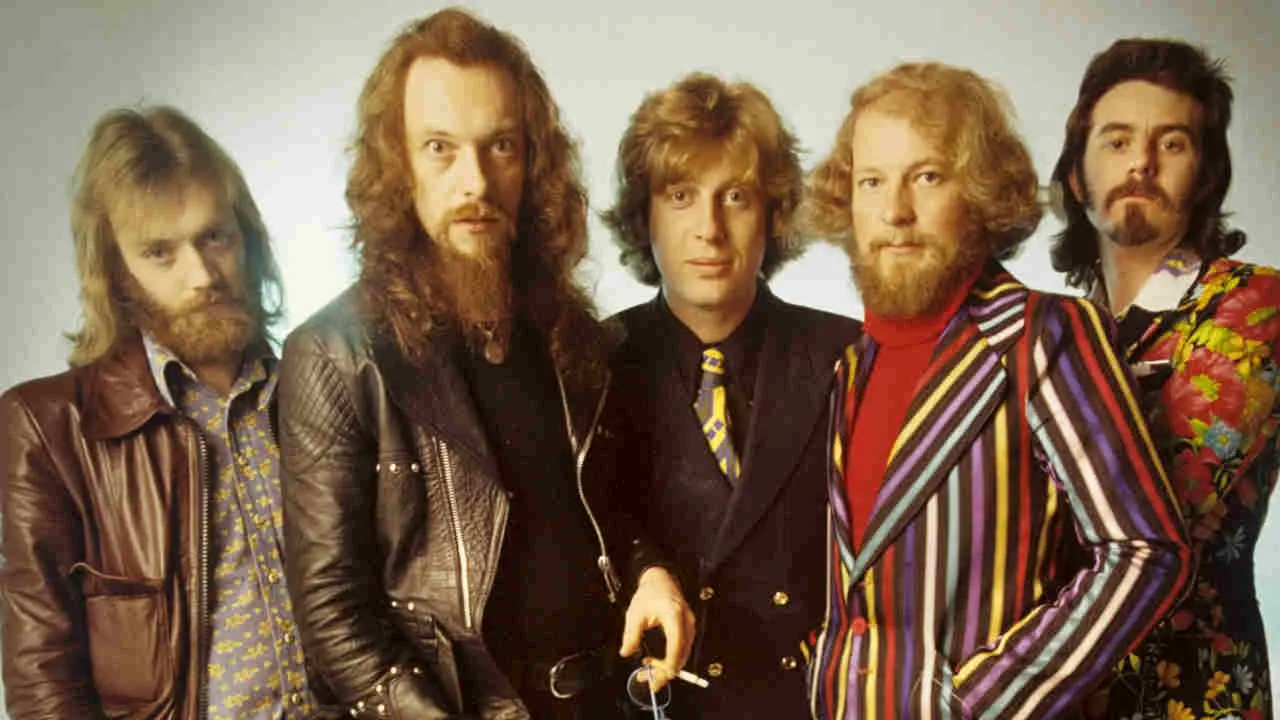
Jethro Tull’s Ian Anderson conceived 1972’s *Thick As A Brick* partly as a satire of progressive rock’s increasingly grandiose, self-important tendencies. Although he admired the music’s ambition, he felt bands such as Emerson, Lake & Palmer, Yes and Genesis could seem overly showy, so the album deliberately exaggerated prog’s excesses; it nevertheless became one of the genre’s defining works.
Presented as a single, continuous piece split across the two sides of an LP, the album was framed as a setting of an epic poem by fictional schoolboy Gerald Bostock and packaged with a spoof local newspaper. Its elaborate music, shifting styles and comic conceit made the joke unusually convincing, turning Anderson’s lampoon of the “concept album” into what he called “the mother of all concept albums”.
In short
- *Thick As A Brick* began as Ian Anderson’s satire of prog excess.
- Its spoof concept became a landmark progressive-rock album.
- The album parodied grand ambition while embracing it.
Explained simply
Progressive rock, or prog, was a style that encouraged musicians to make long, ambitious songs, use changing musical styles and build albums around a theme. Jethro Tull was a British rock band led by singer and flautist Ian Anderson. Other prominent prog groups included Emerson, Lake & Palmer, Yes and Genesis.
In 1972, Anderson made Thick As A Brick as a playful send-up of prog’s grand scale and showmanship, which he admired but sometimes found excessive. The album presents its music as one long work based on a poem by fictional schoolboy Gerald Bostock, with a mock local newspaper adding to the joke. Its elaborate approach also made it a landmark example of the kind of concept album it was poking fun at.