Spencer Pratt says he’s working with Trump on 25 percent federal film tax credit
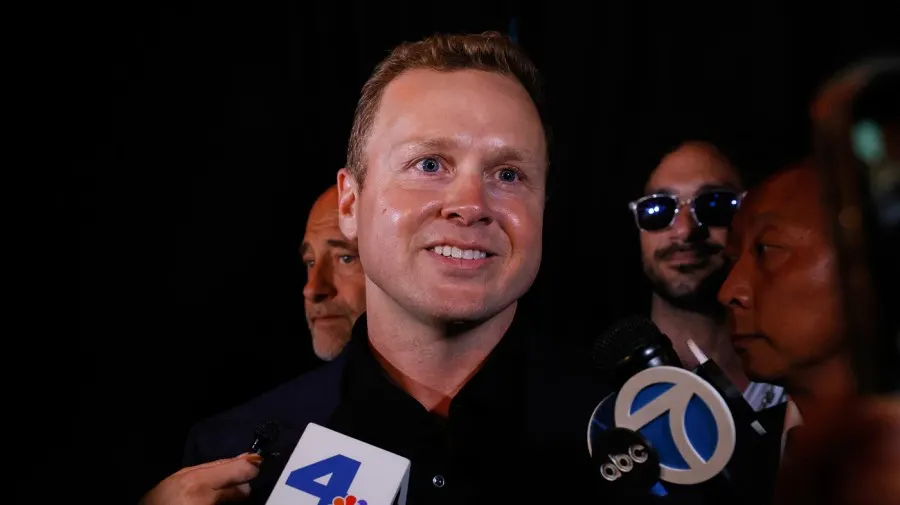
Spencer Pratt has said he is working with Donald Trump on a proposed 25 per cent federal tax credit for film production. If pursued, the measure could affect where films are made by offering a nationwide incentive, potentially competing with state-level schemes and overseas production hubs.
The article text was unavailable, so the reported claim cannot be independently verified from the material provided. No details were supplied on the proposal’s scope, cost, eligibility rules, legislative backing or Trump’s direct involvement.
In short
- Pratt says he is pursuing a 25 per cent federal film tax credit.
- The proposal could reshape production-location incentives.
- Key policy details were not available.
Steelman: both sides, in good faith
The strongest fair case each way — we don't pick a winner.
The case for
Advocates for the federal film tax credit argue it would stimulate economic growth, create jobs, and help American film production compete globally whilst revitalising local economies through production spending. They view this as sound industrial policy that supports an important cultural and economic sector.
The case against
Critics contend the proposal represents an unjustifiable expenditure of federal funds that amounts to corporate subsidisation without demonstrable cost-effectiveness, noting that tax credits often fail to generate additional production rather than merely funding existing projects. They argue the money would be better deployed elsewhere or that market forces, not government incentives, should determine production locations.
Explained simply
Film productions can receive tax incentives that reduce the cost of making a film in a particular place. US states offer their own schemes, and countries overseas also compete to attract productions.
Spencer Pratt is a US television personality, and Donald Trump is the US president. A federal tax credit would be set nationally and could influence where producers choose to make films, though its effect would depend on the rules and how it was funded.
The information provided does not establish the proposal’s details or whether it has formal backing. Those details would help show which productions might qualify and how the credit would relate to existing state incentives.
Celebrity Entertainment Film Government Politics TV