Culture news and discussion on TalkFuse.
From Avenged Sevenfold to Neurosis and Stray From The Path, why more and more metal bands are surprise-releasing albums: “At what point do people critique success on sales rather than how big your balls are?”
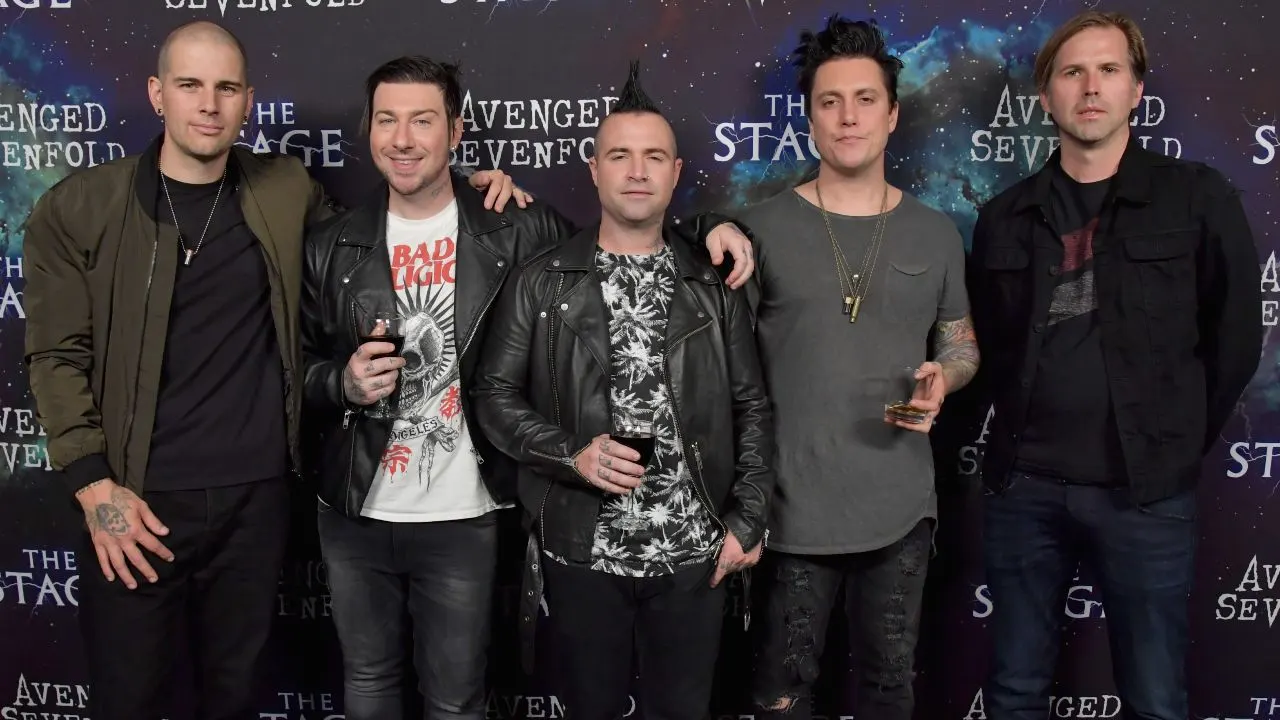
Avenged Sevenfold’s 2016 release of The Stage is presented as an early example of metal bands issuing albums without the usual lengthy promotional campaign. The approach is becoming more common among acts including Neurosis and Stray From The Path, reflecting frustration with conventional roll-outs, label pressures and the expectation that musicians must continually market themselves before audiences can hear the work.
For Avenged Sevenfold, the surprise release followed a protracted campaign for 2013’s Hail To The King and coincided with a legal dispute with former label Warner Bros, which heightened concerns about leaks or interference. The Stage arrived on 28 October 2016 after only rumours and an apparently standalone mid-October single, giving listeners 73 minutes of new music with little warning; the article frames such releases as a way for bands to prioritise artistic impact over sales-driven measures of success.
In short
- Metal bands increasingly favour unannounced album releases.
- Avenged Sevenfold used the tactic for 2016’s The Stage.
- Surprise launches can bypass exhausting promotion and label pressures.
Steelman: both sides, in good faith
The strongest fair case each way — we don't pick a winner.
The case for
Surprise album releases represent a reclamation of artistic integrity from a system that has become overly commercialised. By eschewing lengthy promotional campaigns, bands assert that their work should be judged on artistic merit rather than sales figures, and they escape the label pressures and manufactured expectations that diminish the creative experience. This approach prioritises the music itself and the direct relationship between artist and listener over corporate interests in maximising revenue.
The case against
Traditional promotional campaigns serve essential practical purposes that benefit both artists and audiences. Marketing campaigns fund production, distribution, and allow bands to reach listeners who would never discover the album otherwise, ultimately sustaining the musicians' careers and ability to continue creating. Fans also value advance notice to budget purchases and participate in the shared experience of anticipation, and without such promotion, even artistically excellent albums risk becoming invisible in an oversaturated marketplace.
Explained simply
A surprise release is an album made available with little advance notice, instead of following months of singles, interviews and advertising. Avenged Sevenfold took this approach with The Stage in 2016, after a long promotional campaign for its previous album.
The band’s release came amid a legal dispute with its former label, Warner Bros, and concerns about leaks or outside interference. Other metal acts, including Neurosis and Stray From The Path, have since used similar approaches, amid frustration with label demands and constant promotion.
The trend raises questions about how bands want their work to reach listeners, and how success should be measured. A release with little build-up may put the focus on the music itself rather than advance publicity or sales expectations.
Art Culture Entertainment Music