Science news and discussion on TalkFuse.
How can landscape recover after devastating fires?
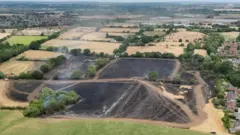
Recent fires across the UK have destroyed habitats in nature reserves, farmland and countryside, threatening plants, insects, birds and mammals and undoing years of conservation work. Restoration is possible, but conservationists warn that recovery can take years or decades and will require careful intervention as hotter, drier conditions increase fire risks.
At Portway Hill in the West Midlands, a fire damaged meadow habitat used by rare orchids and marbled white butterflies, while Staffordshire Fire and Rescue Service attended about 600 outdoor fires in July, roughly twice last year’s total. Other major fires have burned 150 hectares at Dunwich Heath in Suffolk and about 26 sq km in the Cairngorms, killing wildlife and damaging protected landscapes; some recent fires are believed to have been deliberate.
In short
- Fires are destroying habitats and reversing conservation progress.
- Recovery can take years or decades.
- July outdoor fires in Staffordshire roughly doubled year-on-year.
Explained simply
Wildfires can burn away plants and shelter that wildlife depends on, while also damaging soils and seeds. Rare species may be especially vulnerable if a fire destroys the small areas where they live or feed.
Nature reserves, farms and public bodies manage these landscapes, often with help from conservation groups and local communities. Recovery can involve allowing plants to regrow naturally or restoring habitats through careful planting and grazing, while protecting wildlife as it returns.
The time needed varies: some habitats may recover in a few years, while others take decades. Hotter, drier conditions can make fires more likely, so restoration also has to account for future fire risk.