Culture news and discussion on TalkFuse.
Mario Kart 64 in VR is not for the queasy
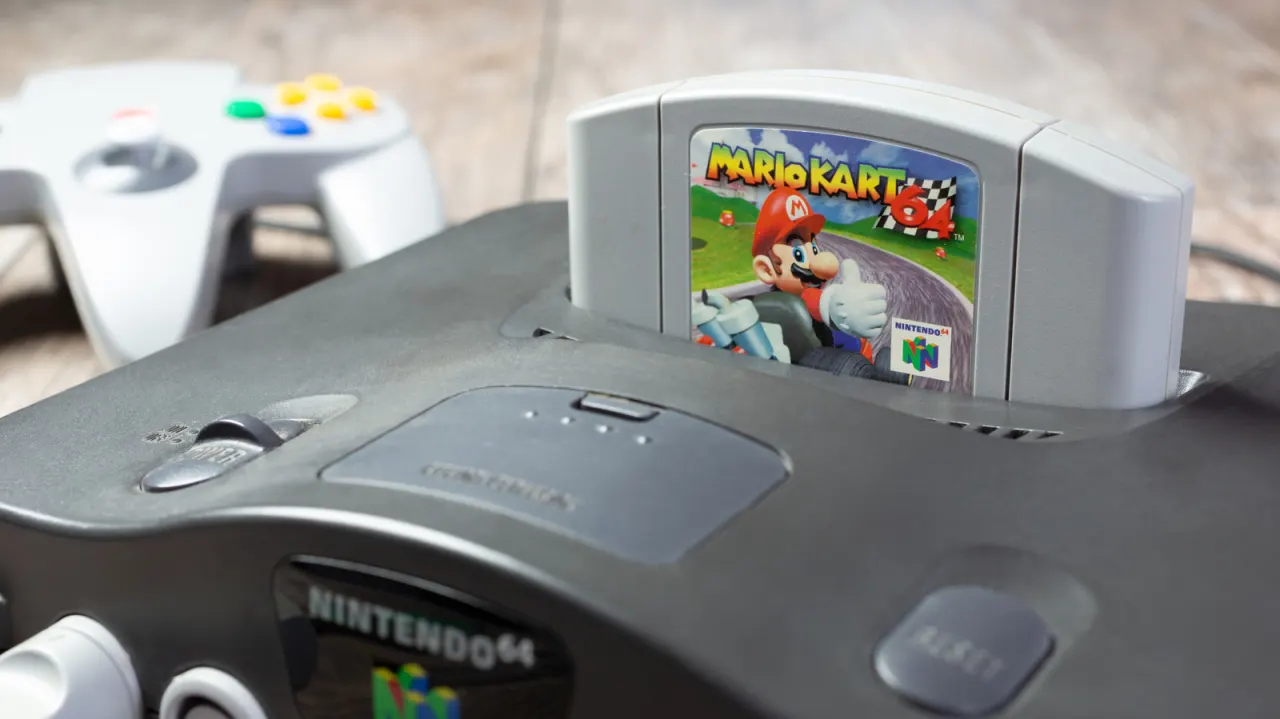
A fan-made virtual reality mod has brought Mario Kart 64 into a head-tracked first-person perspective, making players feel as though they are directly inside the kart. The adaptation matters because it shows how classic Nintendo 64 games can gain a stronger sense of speed and immersion through modern VR, although the intense viewpoint may cause motion sickness.
The project, created by developer RaYRoD TV and highlighted by VR creator BeardoBenjo, is built on the SpaghettiKart PC port and includes adjustable stereo depth, eye height and HUD placement. It is available free on GitHub, but users need to own or create a ROM from an original Mario Kart 64 cartridge; Nintendo itself has shown limited interest in VR beyond Virtual Boy and Nintendo Labo.
In short
- A free mod puts Mario Kart 64 into first-person VR.
- The immersive speed may be uncomfortable for some players.
- Players need their own Mario Kart 64 ROM.
Steelman: both sides, in good faith
The strongest fair case each way — we don't pick a winner.
The case for
Those who support fan projects like this argue that enthusiasts should be free to innovate with games they love, especially when publishers show no interest in modernising them. VR technology opens new possibilities that Nintendo itself hasn't explored, and passionate developers filling that gap ensures classic games remain vibrant rather than languishing in outdated formats. This represents technical creativity and preservation that harms no one, particularly when respecting ownership by requiring original cartridges, and should be celebrated as part of gaming culture.
The case against
Those concerned about unauthorised modifications argue that intellectual property rights exist for sound reasons, protecting creators' control over their work. Fan projects, however well-intentioned, are unlicensed derivative works that circumvent official channels and can normalise IP infringement more broadly. Publishers deserve the opportunity to decide how their properties are adapted and monetised, and if demand for VR Mario Kart exists, the proper path is encouraging Nintendo to develop it officially rather than creating unauthorised versions that undermine that authority.
Explained simply
Mario Kart 64 is a kart-racing game released for Nintendo’s 64-bit console in the 1990s. Players race as familiar Nintendo characters on colourful tracks, using items such as shells and banana peels to slow their rivals.
Virtual reality uses a headset to place the player inside a digital scene, with the view changing as they move their head. Fan projects can adapt older games for newer hardware, though a first-person view and a strong sense of movement can make some people feel unwell.
Nintendo has explored VR in a limited way, including through its Virtual Boy system and Nintendo Labo kits. Unofficial adaptations show how fans are finding new ways to experience older games, while raising practical questions about comfort and access to the original software.
Art Culture Entertainment Gaming