World news and discussion on TalkFuse.
Census Proposal Would Stop Counting Undocumented Immigrants—and Ignore Race and Sexual Orientation
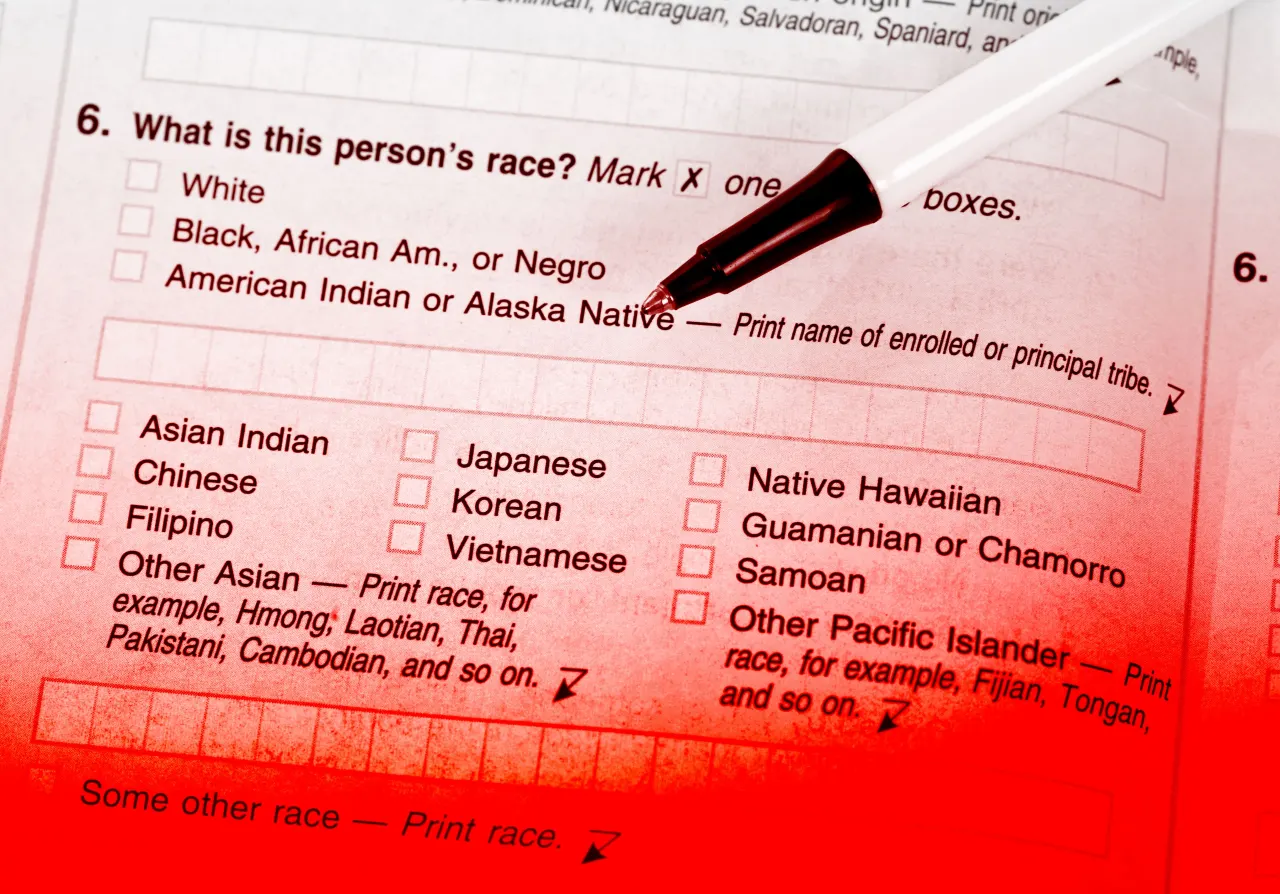
The US Department of Commerce is reportedly considering a rule for the 2030 census that would stop counting undocumented immigrants and remove questions on race and sexual orientation. The change could reshape congressional representation and the distribution of federal funding, while limiting evidence used to identify discrimination and inequality affecting minority and LGBTQ+ communities.
The proposal says personal demographic questions could create distortions, and argues that undocumented migrants should not be included in population counts for apportionment. It would probably require a citizenship question, reviving a Trump-era effort blocked by the Supreme Court in 2019 because its stated rationale was judged contrived. Census data influence congressional seats and funding for services, and an HHS employee warned that areas with large undocumented populations could lose critical support; researchers also say reduced racial data could undermine Voting Rights Act enforcement.
In short
- Proposed 2030 census changes could exclude undocumented immigrants.
- Race and sexual-orientation questions may be removed.
- Funding and political representation could be significantly affected.
Steelman: both sides, in good faith
The strongest fair case each way — we don't pick a winner.
The case for
The strongest case for the proposal rests on the principle that congressional representation should reflect the voting-eligible population, with apportionment tied to citizenship. Proponents argue that demographic questions on race and sexual orientation may be unnecessary for core census functions and could raise privacy concerns, whilst streamlining data collection.
The case against
The strongest case against the proposal emphasises that the Constitution explicitly bases apportionment on the 'whole number of persons', a principle maintained since 1790, and argues that eliminating racial and sexual orientation data would severely compromise civil rights enforcement and public health planning. Critics also contend that excluding undocumented immigrants from population counts would reduce federal funding and political representation in areas with larger immigrant populations, creating inequitable effects based on legal status.
Explained simply
The US census is a count of people living in the country, carried out every ten years by the federal government. Its results help determine how many seats each state gets in the House of Representatives and how federal money is shared among states and local areas.
The Department of Commerce oversees the census, while the Supreme Court can review disputes about how it is run. A previous attempt during Donald Trump’s presidency to add a citizenship question was blocked by the Court in 2019; the Constitution’s population count for allocating House seats includes people living in each state.
Census information is also used to track population patterns and assess whether laws, including the Voting Rights Act, are being followed. Data on race and other characteristics can help researchers and public agencies examine differences in access to services and possible discrimination.