Entertainment news and discussion on TalkFuse.
3 Vietnam War Protest Songs That Baby Boomers Still Can’t Forget
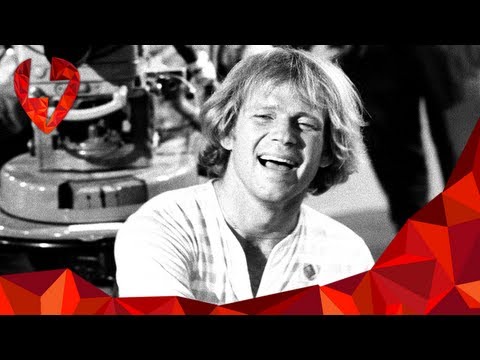
The article highlights three protest songs associated with the Vietnam War that it says remain especially memorable for baby boomers. It presents them as examples of how popular music expressed anger about the war, inequality and wider social tensions, helping define the era’s counterculture.
Barry McGuire’s 1965 “Eve of Destruction”, written by P. F. Sloan, addressed Vietnam, nuclear fears and civil rights, reaching number one in the US. Country Joe and the Fish’s 1967 “I-Feel-Like-I’m-Fixin’-to-Die Rag” used dark satire and gained prominence after Woodstock, despite not charting strongly. Creedence Clearwater Revival’s 1969 “Fortunate Son” criticised draft inequality and privilege, peaking at number three in the US.
In short
- Three songs captured opposition to the Vietnam War.
- “Eve of Destruction” reached number one in the US.
- “Fortunate Son” criticised unequal exposure to the draft.
Explained simply
The Vietnam War was a conflict between communist North Vietnam and South Vietnam, whose government was backed by the United States. As US involvement grew, many Americans opposed the war, while the draft required men to serve in the armed forces and raised questions about who was most likely to be sent.
In the 1960s, musicians used popular songs to address the war alongside fears of nuclear conflict and struggles for civil rights. Barry McGuire’s “Eve of Destruction”, Country Joe and the Fish’s satirical “I-Feel-Like-I’m-Fixin’-to-Die Rag” and Creedence Clearwater Revival’s “Fortunate Son” became well-known examples.
The songs resonated with a wider counterculture that challenged authority and social inequalities. They also gave listeners a way to discuss the war and the perceived differences between those who served and those with the means or connections to avoid service.