Australia is the planet’s extinction hotspot, but one animal offers a glimmer of hope
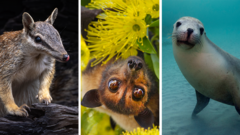
Australia is facing an escalating extinction crisis despite its exceptional biodiversity, with rare species threatened by invasive predators, disease, habitat loss, development and climate change. The recovery of the numbat in Western Australia offers a rare positive example, showing that focused conservation can improve a species’ prospects even as broader declines continue.
Numbats, once widespread across southern Australia, now survive in only a few places including Dryandra Woodland, where researchers and volunteers conduct annual surveys to estimate their numbers. The species was recently removed from the international red list of threatened species after recovering from a population of fewer than 50 in the 1980s, but it remains vulnerable to feral cats and foxes; Australia is estimated to lose about four species every decade.
- Numbat recovery provides rare encouragement amid Australia’s extinction crisis.
- Volunteers monitor one of the species’ few remaining wild populations.
- Invasive predators and habitat destruction remain major threats.
New here? Start with this
Australia has many species found nowhere else, but it also has one of the world’s worst records for animal extinctions. Native wildlife has been affected by land clearing, changing habitats and a warming climate, as well as introduced animals such as foxes and feral cats that hunt smaller species.
The numbat is a small, striped marsupial that eats termites and was once common across much of southern Australia. Its numbers fell sharply during the 20th century, leaving only a handful of surviving populations in Western Australia.
Conservation groups, scientists and volunteers have worked to protect numbats by monitoring them, managing predators and supporting breeding and reintroduction programmes. Their recovery illustrates the role that sustained local protection can play, while many other Australian species remain at risk.
Both sides, in good faith
The strongest fair case each way — we don't pick a winner.
The case for
The numbat’s recovery shows that targeted conservation can work: sustained monitoring, predator control, habitat protection and local volunteer effort have helped lift a species once reduced to fewer than 50 animals. Supporters of this view argue that such successes justify investing in practical, species-specific programmes, because they preserve irreplaceable wildlife and generate methods that can be adapted for other threatened animals. Hope is not complacency, they would say, but evidence that determined action can reverse decline.
The case against
Critics would argue that celebrating an individual recovery risks obscuring the scale and speed of Australia’s wider extinction crisis. A species can improve enough to leave one threat category while still depend on intensive management and remain exposed to cats, foxes, habitat loss and climate pressures; meanwhile, other species may receive far less attention or funding. From this perspective, the priority should be systemic action on land clearing, invasive species, development and emissions, rather than treating isolated conservation gains as evidence that the overall response is adequate.