Culture news and discussion on TalkFuse.
Acting ICE chief knocks AP for ‘misleading’ report on body cam policy
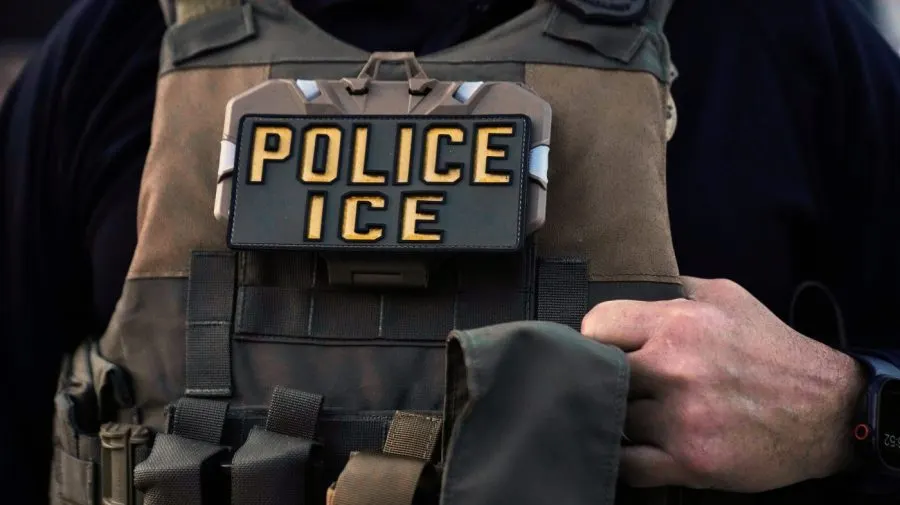
Acting ICE Director David Venturella accused the Associated Press of mischaracterising ICE’s body-camera policy, arguing that its reporting conflated a provision on expedited release after serious injuries or deaths with the agency’s wider discretion over footage. The dispute matters because ICE is rapidly expanding camera use while retaining significant control over whether recordings of contentious operations are released publicly.
ICE said it expects all field officers and agents to have body cameras by the end of August. The AP reported that footage of incidents causing death or serious injury may be released promptly only when ICE judges this to be in the agency’s interests; Venturella said restrictions protect investigations and privacy and align with federal law and other agencies’ practices.
In short
- ICE chief disputes AP’s interpretation of body-camera release rules.
- ICE plans nationwide body-camera coverage by end of August.
- Public access to footage remains largely under ICE control.
Steelman: both sides, in good faith
The strongest fair case each way — we don't pick a winner.
The case for
An agency's discretion to withhold footage of deaths or serious injuries based on whether release serves its institutional interests fundamentally undermines public accountability. People have a right to see what happened during serious incidents involving law enforcement, particularly immigration enforcement affecting vulnerable populations. The ability to withhold footage because release wouldn't serve ICE's interests creates precisely the conflict of interest that independent oversight exists to address.
The case against
Restricting immediate public release of sensitive footage protects legitimate investigative interests and the privacy of individuals recorded, including detained immigrants, concerns other federal agencies similarly guard under law. The policy enables lawful oversight bodies—inspectors general, prosecutors, reviewing officials—to examine recordings thoroughly without premature public disclosure that could compromise investigative accuracy or individual privacy. Balancing investigation integrity, privacy rights, and transparency through discretionary release decisions, rather than mandating automatic public disclosure, represents a responsible approach aligned with federal law and wider law enforcement practice.
Explained simply
ICE, or Immigration and Customs Enforcement, is a US federal agency that enforces immigration laws and carries out operations such as arrests and detention. Its officers’ use of body cameras is expanding, and recordings can document encounters between agents and the public.
The Associated Press is a news organisation that reported on when ICE may release footage of incidents involving death or serious injury. Acting ICE director David Venturella disputed its account of the policy; the underlying issue is how much control the agency has over releasing recordings, which can affect public understanding of its operations while investigations and privacy concerns are at stake.
Art Culture Government Politics