Culture news and discussion on TalkFuse.
Tonnes of rotting food from vast LA warehouse fire creates unbearable stench
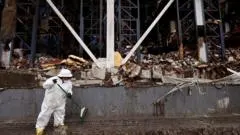
A fire that destroyed a huge cold-storage warehouse in Los Angeles on 17 June has left behind roughly 85 million lb (39 million kg) of rotting meat, poultry and seafood, causing an overwhelming stench that has plagued the surrounding Boyle Heights neighbourhood for nearly two months. Local residents and business owners say the smell, along with swarms of flies and rats, has driven away customers and made daily life unbearable, while officials say the clean-up by warehouse operator Lineage has been far slower than expected.
Lineage said around 80% of the food waste had been cleared as of Monday, but city officials say the company's response "has fallen short" and have issued public health and safety violation notices. A city-commissioned inspection warned that the waste and heat could accelerate the breeding of flies capable of infecting open wounds in people and animals, while residents report rat traps too small to cope with the infestation. Mayor Karen Bass, who faces re-election this year, said she has been directing city departments and outside partners to support Boyle Heights, acknowledging residents' frustration over the pace and transparency of the response.
In short
- LA warehouse fire left 85 million lb of rotting food to clean up
- Boyle Heights residents endure stench, flies and rats for two months
- City says operator Lineage's clean-up response "has fallen short"
Steelman: both sides, in good faith
The strongest fair case each way — we don't pick a winner.
The case for
Nearly two months represents an unacceptable duration for resolving a public health crisis that has made residents' lives unbearable with overwhelming stench, dangerous pest infestations, and documented health risks. The city has formally stated that Lineage's response 'has fallen short', and the pace demonstrates insufficient urgency in tackling a concentrated emergency affecting a single neighbourhood.
The case against
Safely disposing of 39 million kilograms of spoiled food presents an unprecedented logistical challenge. Removing 80% of the waste in roughly two months represents substantial progress given constraints on waste-processing capacity, environmental compliance requirements, and the vast scale involved. Criticism of the pace may underestimate the practical complexities of safe, legal disposal, and accelerating beyond current rates might simply exceed available infrastructure.
Explained simply
Boyle Heights is a neighbourhood east of downtown Los Angeles, where homes and local businesses sit near large industrial sites. The warehouse was a cold-storage facility, used to keep meat, poultry and seafood chilled before distribution; the fire left its contents without refrigeration.
Lineage, the company that operated the warehouse, is responsible for clearing the spoiled food. City departments oversee public health and safety, while Mayor Karen Bass has said she is directing city support. The waste matters because decaying food can attract pests and affect nearby residents and businesses.