New releases, music videos and album news — indie, rap, rock and pop. Always covering Ren, Chris Webby, Sam Tompkins, bbno$, CHINCHILLA, Muse, Yungblud and more.
Keeping Score: How Danny Elfman helped revive ‘Spider-Man’ in 2002
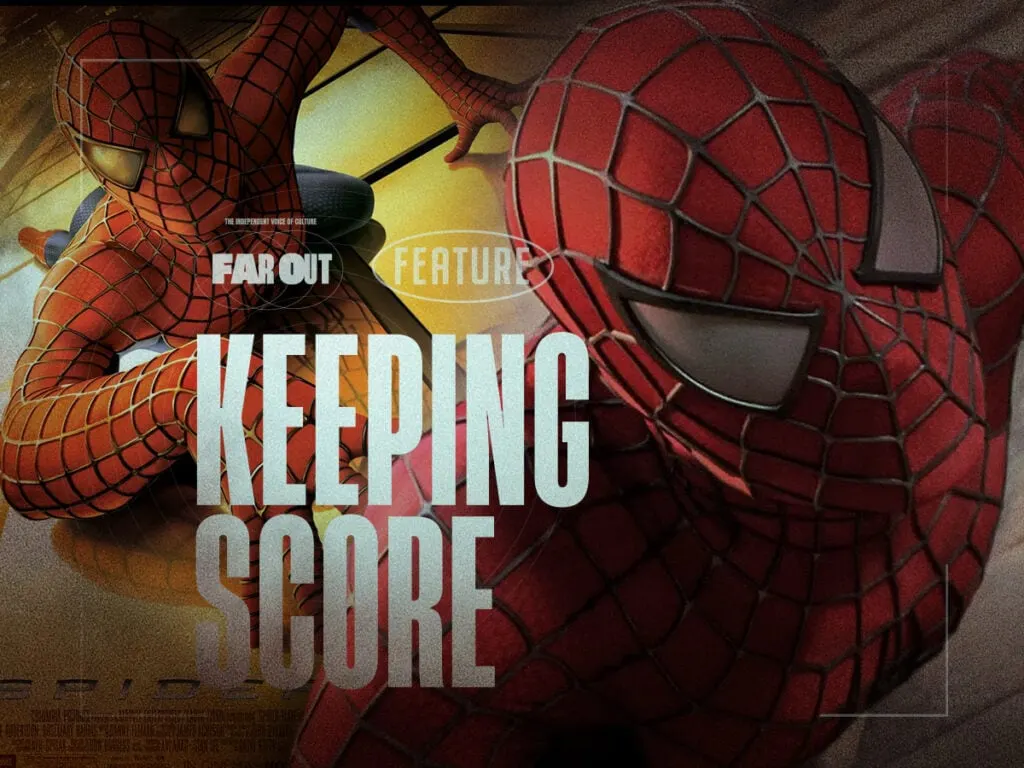
Danny Elfman’s score for Sam Raimi’s 2002 film *Spider-Man* helped establish the character as a credible modern blockbuster hero after years of unsuccessful screen-development attempts. The article argues that its dramatic main theme gave Peter Parker’s story emotional weight and a distinct identity, supporting the film’s revival of the franchise and wider influence on superhero cinema.
Elfman, already known for his work with Raimi, combined a bold orchestral sound with darker, more unsettling music for villains such as the Green Goblin. The film starred Tobey Maguire as Peter Parker and Willem Dafoe as Norman Osborn, and became a major commercial success, taking more than $800m worldwide and helping pave the way for later comic-book films.
In short
- Elfman’s score gave 2002’s *Spider-Man* a defining heroic sound.
- The music balanced Peter Parker’s emotion with villainous menace.
- The film’s success helped reshape modern superhero cinema.
Steelman: both sides, in good faith
The strongest fair case each way — we don't pick a winner.
The case for
Those emphasising the score's importance argue that Elfman's orchestral work was essential to transforming Spider-Man into a credible modern blockbuster hero. The dramatic main theme and the psychological distinction between Peter's heroic music and the Goblin's darker tones provided emotional weight and a distinct identity that elevated the material beyond previous failed film attempts. Without this musical sophistication, the film might have remained merely competent rather than transformative.
The case against
Those questioning the attribution of the film's success primarily to the score contend that multiple factors deserve equal credit. Sam Raimi's assured direction, Tobey Maguire's nuanced performance, the inherent appeal of the source material, and the post-9/11 cultural appetite for earnest heroes all contributed substantially to the breakthrough. The score enhanced these elements, but attributing the film's transformative impact and influence on superhero cinema to the music alone overlooks the broader constellation of creative and contextual factors.
Explained simply
Danny Elfman is a film composer best known for pairing with director Sam Raimi and for his long association with Tim Burton, having written scores for films including Batman and Beetlejuice. In 2002 he composed the music for Spider-Man, Raimi's big-screen adaptation of the Marvel comic-book hero, which arrived after various earlier attempts to bring the character to film had failed to get made.
The film starred Tobey Maguire as Peter Parker, the ordinary teenager who becomes Spider-Man, and Willem Dafoe as his adversary Norman Osborn, also known as the Green Goblin. It went on to earn more than $800m at the worldwide box office, making it one of the biggest hits of its time and helping establish superhero films as a major and consistently profitable genre for Hollywood in the years that followed.
Musical scores are a key but often overlooked part of how films create mood and meaning, using recurring themes to convey a character's identity or emotional journey. This background matters for understanding why Elfman's contribution is being revisited: it looks at how his composition style helped shape audiences' perception of Spider-Man as a serious, sympathetic hero rather than a cartoonish one, at a formative moment for the genre.