Revisiting the original No Man’s Sky, 10 years on – and why it was always good in its own way
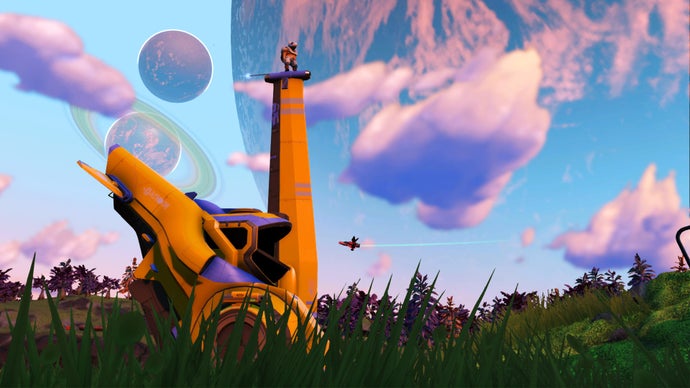
Ahead of No Man's Sky's 10th anniversary, an Eurogamer writer revisits the original 2016 version of Hello Games' space exploration game on an old PS4, contrasting it with the game as it exists today after more than 45 major updates. Despite the notoriously troubled launch and the game's since-transformed scope, they find the original still holds a distinct charm, arguing it was "always good in its own way" even before the additions that later won back its reputation.
The piece recalls first playing No Man's Sky in August 2016 with few expectations, becoming absorbed by its unhurried exploration and strange, procedurally generated worlds, and losing interest before the Foundation Update reignited their enthusiasm with base building and freighters. Replaying the 2016 disc version now, the writer says clunky elements like inventory management and the UI are easily forgotten, but the original's sense of transience and forward momentum, along with its still-striking visuals, remain distinctly appealing compared with the fuller, more developed game of today.
- Writer replays original 2016 No Man's Sky ahead of its 10th anniversary
- Compares it with today's game after 45+ major updates
- Argues the flawed original had its own unique charm
New here? Start with this
No Man's Sky is a space exploration video game made by the British studio Hello Games, first released in 2016. It lets players roam a vast, computer-generated universe of planets, and it became infamous for launching with far fewer features than had been promised, disappointing many buyers at the time.
In the decade since, Hello Games has released more than 45 major free updates, gradually adding features such as base building and multiplayer, which transformed the game and largely repaired its reputation. This piece looks back at the original 2016 version specifically, asking whether it had merit on its own terms even before all those later additions.
The article matters mainly to fans of the game and to anyone interested in how a troubled product launch can be turned around over time through sustained post-release support, a case often cited in discussions of the games industry.