World news and discussion on TalkFuse.
‘Our Time Will Come’ Review: Two Orphans Journey to Accra to Find Their Kin in an Emotionally Absorbing Ghanaian Drama
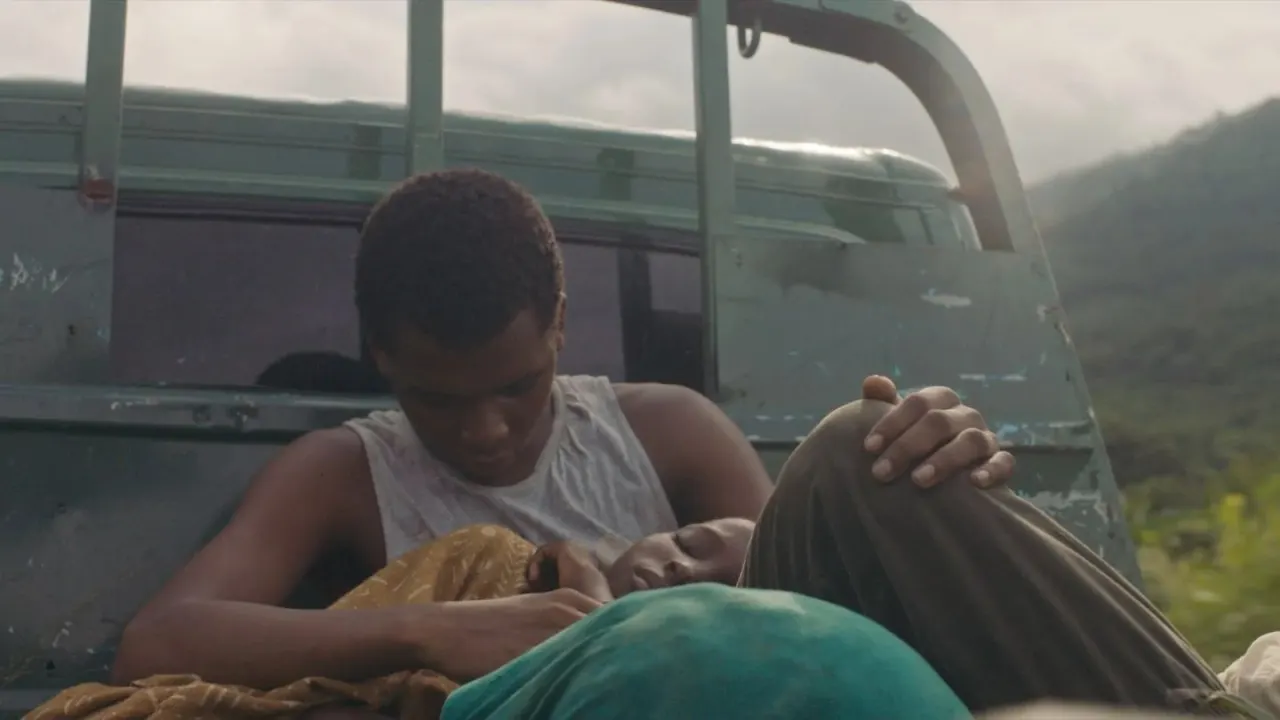
Amartei Armar's debut feature "Our Time Will Come" is an emotionally resonant Ghanaian drama that follows two orphaned children as they journey to Accra in search of family, drawing loose inspiration from "Oliver Twist" while avoiding excessive misery. The film premiered at Locarno after being developed through Marrakech's 2025 Atlas Workshops under the working title "Vagabonds", and its handling of found family and social fragmentation in modern Ghana marks it as a distinctive and promising arthouse debut likely to travel well on the festival circuit.
The story centres on 15-year-old Owusu, played by newcomer Idrissu Tontie Jr. in a performance the review calls "adult-sized", and seven-year-old Adobea (Dorothy Adobea Tandoh), who flee their orphanage to find Owusu's long-lost mother in the capital, armed with only an old photograph. Shot by cinematographer John Kwame Markin, the film contrasts the open, sunlit countryside with the dark, disorienting city, and explores themes of eroded family ties, ethnic division and the need for alternative kinship networks amid poverty and rural flight in contemporary Ghana.
In short
- Ghanaian drama "Our Time Will Come" follows two orphans seeking family in Accra
- Amartei Armar's debut premiered at Locarno after Marrakech's Atlas Workshops
- Praised for empathetic, non-miserabilist portrayal anchored by strong young cast
Explained simply
Our Time Will Come is a Ghanaian drama about two children who leave an orphanage and travel from the countryside to Accra, hoping to find Owusu’s mother. Owusu is 15 and Adobea is seven; their only clue is an old photograph.
The film is the debut feature by director Amartei Armar and draws loosely on the story of Oliver Twist. Its journey through the film festival world began with development at the Atlas Workshops in Marrakech, before its premiere at Locarno.
The contrast between rural life and the capital frames questions about poverty, migration and family ties in modern Ghana. The children’s search also explores how people may find care and belonging through relationships beyond their birth families.
Africa Art Culture Software Technology World