Chinese EV sales surge to new high in Europe, putting tariffs under scrutiny
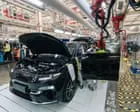
Chinese electric vehicle sales in Europe have hit a record high, intensifying scrutiny of tariff policy amid accusations that state-subsidised Chinese manufacturers are "dumping" cars in the EU and UK to seize market share. The surge is likely to strengthen calls for quotas and higher import duties to shield European carmakers, who are already under pressure to boost their own electric vehicle sales to meet tighter emissions rules.
Chinese brands' share of the western European battery electric vehicle market rose to 14.2% in the first five months of the year, up nearly five percentage points on 2025, according to Schmidt Automotive Research, with 171,800 cars sold. This came despite EU tariffs of up to 35.3% on top of the standard 10% import duty; the UK, which has not imposed extra levies, was the largest single market, taking a quarter of sales, while Italy accounted for a fifth after Leapmotor exploited government subsidies to sell its T03 model for as little as €5,000. Analysts suggest Chinese firms may now shift focus to plug-in hybrids, which currently escape the extra tariffs, with the EU reportedly considering closing that loophole.
In short
- Chinese EV market share in western Europe hit a record 14.2%
- UK is the top market as it avoids EU's extra tariffs
- Italy's surge tied to Leapmotor exploiting subsidy scheme
Steelman: both sides, in good faith
The strongest fair case each way — we don't pick a winner.
The case for
Advocates contend that Chinese state subsidies create unfair competition, enabling manufacturers to price vehicles far below production cost to seize market share, as evidenced by the €5,000 Leapmotor model. European carmakers transitioning to EVs whilst meeting emissions targets face potential elimination by artificially advantaged rivals; without tariffs, China could establish dominance and eliminate future competition. Tariffs restore fair competition by offsetting subsidy advantages, protecting European industry, workers, and technological independence.
The case against
Opponents argue that tariffs undermine Europe's urgent EV transition by raising prices and limiting consumer choice when rapid adoption is critical. Chinese manufacturers' costs reflect genuine operational efficiency and innovation rather than subsidy alone; free competition drives continuous improvement. Rather than shielding incumbent producers from competition, markets allocate resources most effectively, with consumer welfare and innovation better served by competition than trade barriers.
Explained simply
European carmakers have to meet limits on the emissions from the cars they sell, which is pushing them to expand their electric vehicle ranges. Buyers can also choose electric cars made by Chinese companies, including newer brands that have grown quickly in overseas markets.
The European Union and the UK set their own rules for cars imported from China. The EU has added extra duties on some Chinese electric cars, saying state support gives their makers an unfair advantage; the UK has not introduced those extra duties. The dispute matters to carmakers, buyers and governments weighing competition, prices and support for local industry.
Battery electric cars run only on electricity, while plug-in hybrids have both an electric motor and a petrol engine. Different tariff rules for the two types can affect which cars Chinese companies choose to sell in Europe.