Entertainment news and discussion on TalkFuse.
10 songs that examine the rise of the right-wing politics in 2026
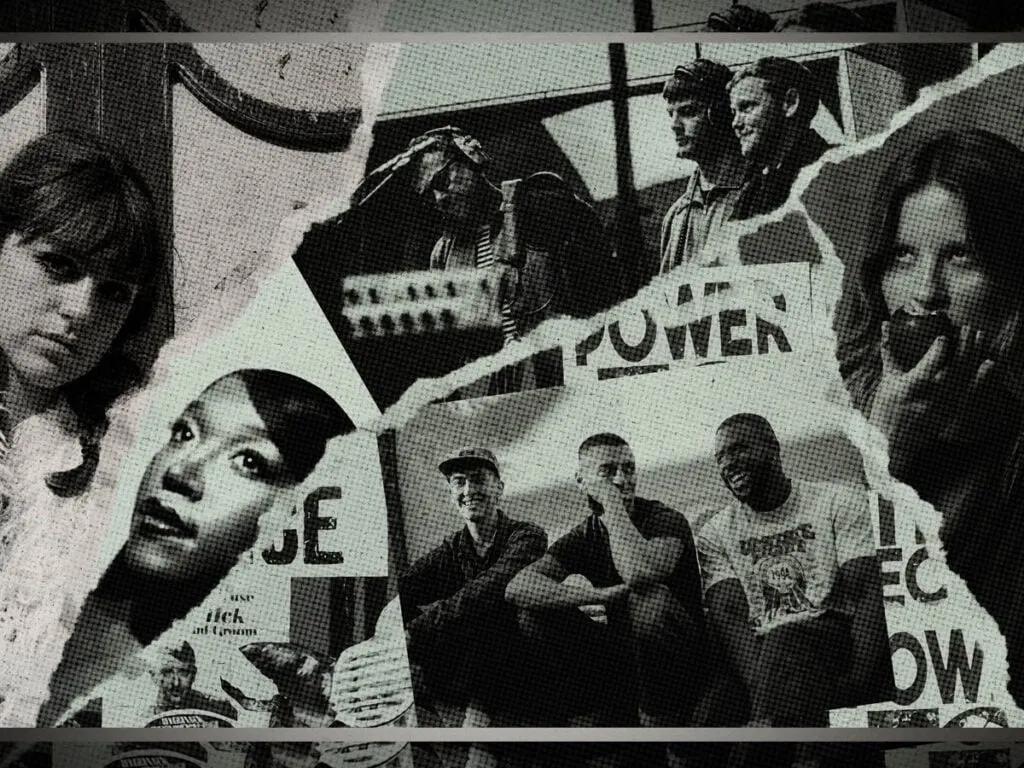
Far Out Magazine has compiled a list of ten songs from 2026 that respond to the rise of right-wing politics, spanning genres from jazz and dance-punk to indie and hardcore. The feature argues that political songwriting, once mostly associated with folk and punk, has broadened considerably this year as artists react to heightened division, identity politics and social-media-driven discourse across Britain and the US.
– Knats' 'Bowling Ball' was written after bassist Stan Woodward attended a counter-protest against the English Defence League in Newcastle, using the metaphor of billionaires and elites as a bowling ball knocking down migrants as pins.– Bruce Springsteen's 'Streets of Minneapolis' was written and released within days, condemning what he called "state terror" by Ice and dedicating the track to the memory of Alex Pretti and Renee Good.– 'Flags', a collaboration between Damon Albarn, Grian Chatten and Kae Tempest, is a melancholic reflection on how national symbols have come to signal division rather than belonging in Britain.– The article notes these tracks form part of a wider musical response to the growth of right-wing parties such as Reform UK and Restore.
In short
- Far Out lists ten 2026 songs responding to right-wing politics
- Knats, Springsteen and Albarn/Chatten/Tempest among artists featured
- Tracks reflect division around flags, migration and nationalism
Explained simply
Right-wing politics refers to political movements that tend to emphasise national identity, social order and tighter controls on immigration, though parties and supporters differ in their views. In Britain, Reform UK and Restore are among the parties associated with this trend; the United States has its own political debates over immigration, identity and the role of government.
Musicians have often used songs to respond to political events and public debate, across styles including folk, punk, jazz and dance music. The songs in this story draw on experiences such as protests and changing meanings attached to national symbols, reflecting concerns about division in Britain and the US.