Video games news, releases, esports and culture — all the biggest gaming stories in one place.
Steam reportedly refunds Battlefield 6 player with 470 hours logged after EA quietly pulled Rush mode from Quickplay
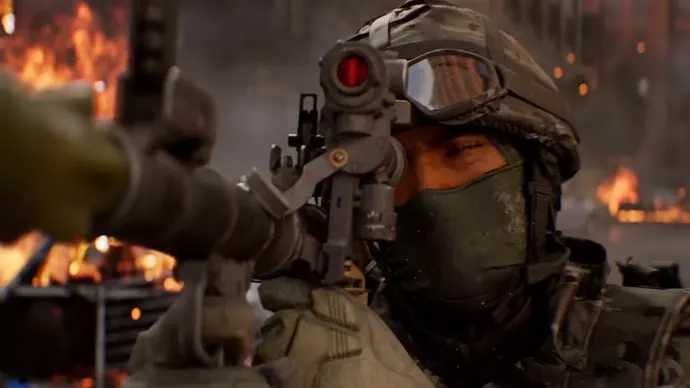
A Battlefield 6 player reportedly received a full refund from Steam despite having logged around 470 hours, after EA quietly removed the popular Rush mode from matchmaking without any patch notes. The case is notable because it far exceeds Valve's usual two-hour refund threshold, showing that Steam can make exceptions when a publisher makes significant, undisclosed changes to a game after purchase. It highlights growing frustration among Battlefield 6 players over unannounced content removals nearly a year after launch.
Reddit user ExplorEverythingOnce says Valve refunded the $109.24 (roughly £81) paid for the Phantom Edition after Rush, a mode dating back to 2008's Bad Company, vanished from Quickplay in patch 1.4.1.5 alongside other modes. The player told Steam Support that several modes had disappeared without warning and cited EA's own community update confirming the change, after which the agent "agreed that wasn't right" and issued the refund. Rush remains accessible via Portal and is still listed on EA's website, and it is unclear whether Steam will extend similar refunds to other players; Valve previously made a comparable mass exception for Helldivers 2 in 2024.
In short
- Steam refunded a 470-hour Battlefield 6 player over Rush mode's removal.
- EA quietly cut Rush from Quickplay in a recent patch.
- Unclear if other players will get similar refund treatment.
Steelman: both sides, in good faith
The strongest fair case each way — we don't pick a winner.
The case for
When publishers materially alter purchased products without transparent communication, consumers merit remedy. EA removed a signature mode from convenient access without clear notice, substantially diminishing the experience players had bought. Steam's exception recognises that accountability matters; consumers cannot be obliged to accept unilateral feature removal whilst publishers retain revenue from the purchase.
The case against
Live-service games inherently involve evolving content, with modes adjusted for server resources, player populations, and development priorities. Permitting refunds after 470 hours—when the player clearly gained substantial value—creates precedent for extracting that value through extended play then seeking refunds for normal service evolution. The mode remains playable in Portal; the purchase delivered worthwhile entertainment. Allowing such exceptions risks undermining the economic model sustaining ongoing development.
Explained simply
Battlefield 6 is a paid online shooter published by Electronic Arts (EA), with players choosing from different multiplayer modes. Rush is a long-running mode in the Battlefield series, dating back to 2008’s Bad Company, in which teams fight over objectives. Quickplay is the game’s matchmaking menu; Rush can also be accessed through Portal, a separate way to find or create matches.
Steam, run by Valve, sells PC games and usually limits refunds to games played for less than two hours and owned for less than 14 days. It can consider exceptions, including when a game changes significantly after purchase. The issue matters to players because modes they paid to access can change or disappear, and to buyers because it is unclear whether other players will receive similar refunds.