Politics news and discussion on TalkFuse.
Taylor Swift Gets Her Songs Muted On Donald Trump’s Troll TikToks
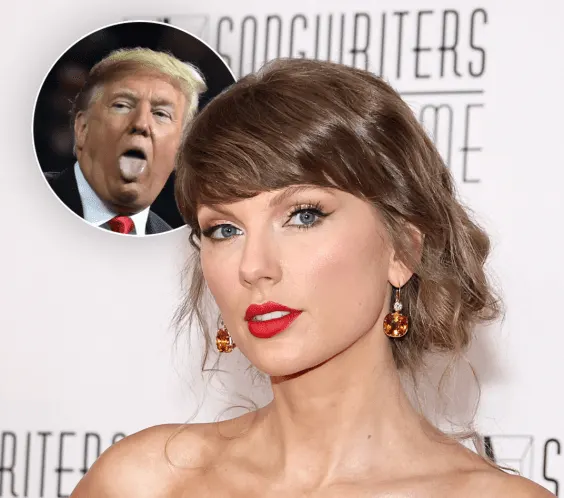
Taylor Swift's team has begun removing her music from TikTok videos posted by "Team Trump" and the White House account, after the accounts used her songs in posts mocking her. The move follows a video referencing her track "August" and another parodying her album Red with Trump-themed captions, both of which had their audio muted after Swift's team intervened. The episode is the latest flashpoint in a long-running feud between the two, dating back to false claims of a Trump endorsement and Trump's public criticism of Swift after she backed Kamala Harris.
Over the weekend, audio from at least ten Swift songs was pulled from posts by Team Trump and the White House, including "August", "Red (Taylor's Version)", "Love Story", "Daylight" and "Cruel Summer". Trump and Swift's rivalry stretches back to 2024, when he shared AI-generated images falsely implying her endorsement and later posted "I HATE TAYLOR SWIFT!" on Truth Social. Swift is not the only artist targeted this way: Noah Kahan also had a song removed from a White House post after objecting, though the account has since used an unauthorised clip of another of his tracks.
In short
- Taylor Swift's team muted her songs on Trump-linked TikTok accounts
- At least 10 tracks removed after mocking posts about her
- Part of a long-standing public feud between Swift and Trump
Steelman: both sides, in good faith
The strongest fair case each way — we don't pick a winner.
The case for
Artists own their creative work and should have control over its use and association. When one's own songs are used in content designed to ridicule or mock, it can feel like a violation of creative autonomy and dignity, regardless of technical legality. Swift's team is protecting her interests against appropriation of her work for purposes she opposes. Consent and respect for creators' intentions about their work represent important principles.
The case against
Fair use specifically protects transformative political commentary and parody as essential to democratic discourse. Removing music from posts that critique or mock public figures sets a precedent where intellectual property claims can suppress political speech. The question is whether owning music means controlling its use in political expression or whether such expression deserves protection. Robust public debate requires the ability to parody and satirise public figures without legal suppression of permitted uses.
Explained simply
TikTok lets users add licensed songs to videos, but artists and their representatives can object when music is used without permission. If a rights holder intervenes, the platform can mute the audio while leaving the video online.
Taylor Swift is a major singer and songwriter whose music has been used in posts by political accounts. Her dispute with Donald Trump dates to 2024, when false claims suggested she had endorsed him and she later backed Kamala Harris; Trump then criticised her publicly.
The row raises questions about how political accounts use musicians’ work and how artists can control that use. Other musicians, including Noah Kahan, have also objected to songs appearing in White House posts.
Elections Entertainment Music Politics Trending Weird & Viral