Entertainment news and discussion on TalkFuse.
How Keith Richards inadvertently ruined The Byrds’ 1968 album: “That was the end”
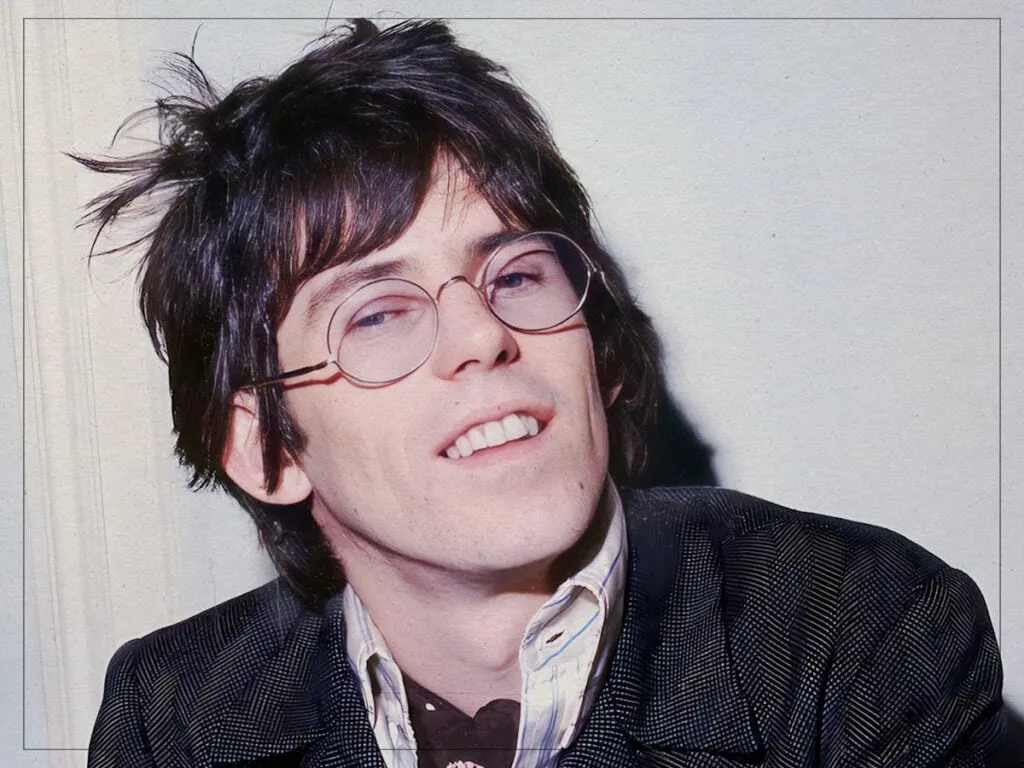
The article argues that Keith Richards indirectly disrupted The Byrds’ work on their 1968 country-rock album, *Sweetheart of the Rodeo*, by becoming close to the group’s newest and most influential member, Gram Parsons. Parsons’ growing interest in spending time with Richards and Mick Jagger coincided with his departure from the band, leaving The Byrds without a key creative force shortly after the album’s completion.
*Sweetheart of the Rodeo* helped establish country rock, with Parsons contributing songs and vocals, but his role was complicated by contractual disputes that led to some of his lead vocals being replaced. He left before a planned South African tour, publicly citing opposition to apartheid; bandmate Chris Hillman later suggested Parsons’ new friendship with the Rolling Stones was effectively “the end” of his time in The Byrds.
In short
- Keith Richards’ friendship with Gram Parsons coincided with Parsons leaving The Byrds.
- Parsons was central to *Sweetheart of the Rodeo*’s country-rock direction.
- Contractual issues also limited Parsons’ vocal presence on the album.
Steelman: both sides, in good faith
The strongest fair case each way — we don't pick a winner.
The case for
The timing and evidence support the article's premise—Parsons' involvement with the Rolling Stones coincided with a clear waning of his commitment to The Byrds, and Chris Hillman's candid assessment suggests this friendship was the decisive factor in his departure. Even granting the legitimacy of his other stated concerns, the shift in his priorities and subsequent choices indicate that the allure of the Richards circle was the primary driver of his exit from the band.
The case against
This interpretation risks diminishing Parsons' agency and legitimate grievances. His opposition to apartheid was documented and principled, contractual disputes were substantive, and his ambitions in country rock represented a distinct artistic vision that The Byrds' collective direction could not accommodate. A fuller account recognises Parsons as an autonomous figure whose departure reflected his own values and creative aspirations, not primarily the passive seduction of Richards' friendship.
Explained simply
The Byrds were an American band whose music combined folk rock with other styles. Their 1968 album *Sweetheart of the Rodeo* helped bring country music into rock, with Gram Parsons playing a major role as a singer and songwriter.
Parsons had recently joined the group, but disputes over his recording contract complicated his contribution, and some of his lead vocals were replaced. He left before a planned tour of South Africa, saying he opposed apartheid, the system of racial segregation then enforced by the country’s government.