New releases, music videos and album news — indie, rap, rock and pop. Always covering Ren, Chris Webby, Sam Tompkins, bbno$, CHINCHILLA, Muse, Yungblud and more.
The fading event Graham Nash thinks should be remembered for the next 100 years: “Like Vienna at the turn of the century”
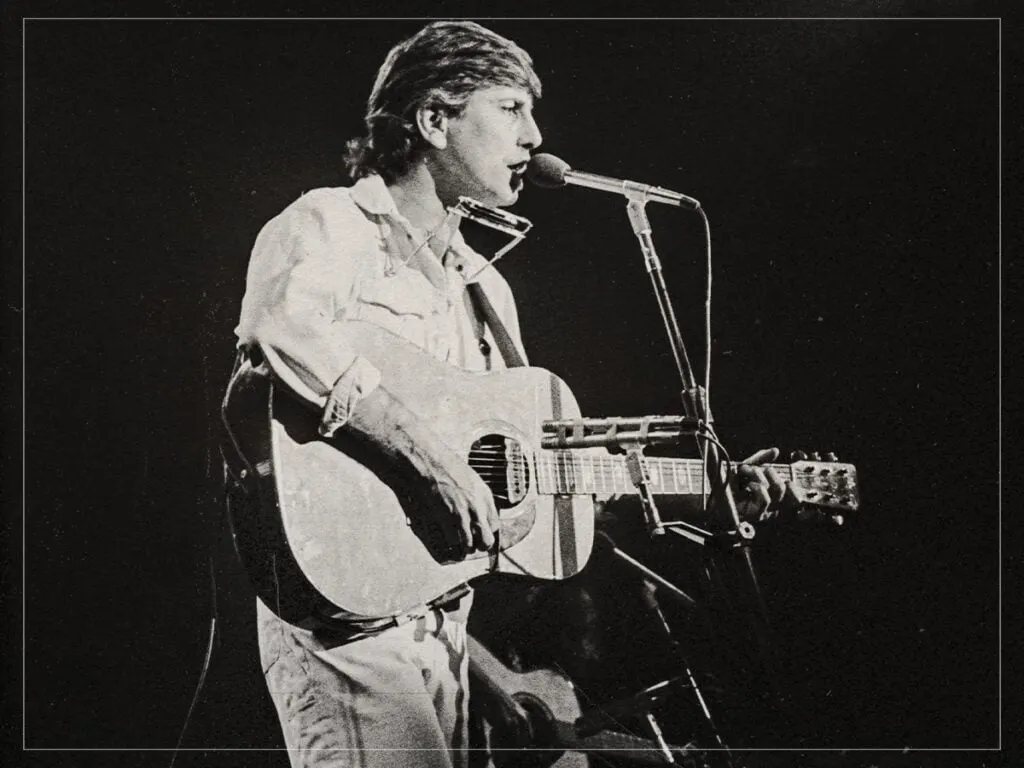
Graham Nash, the veteran musician known for his work with The Hollies and Crosby, Stills & Nash, has spoken about the moment in music history he believes deserves lasting historical recognition: the 1967 "Summer of Love". Nash, who witnessed the era first-hand and recently spoke at an event about the "All You Need Is Love" television broadcast, argued that future historians may come to view the period with the same reverence as great cultural movements of the past, given the unprecedented way artists and audiences united around the idea that music could drive real social change.
In the interview, Nash compared the Summer of Love to turn-of-the-century Vienna, when architects, philosophers and artists gathered to exchange ideas, and to 1930s Paris, home to figures such as Gertrude Stein and Picasso. He also reflected on the emotional toll of performing songs tied to specific moments in his life, noting that his roughly 24-25 song setlist can be a struggle to get through given how strongly each track connects him to the time it was written. Nash, who has lived through pivotal shifts including punk's emergence and John Lennon's death, sees the Summer of Love as a unique turning point in music's cultural purpose.
In short
- Graham Nash says the 1967 Summer of Love deserves lasting historical recognition
- He likens it to turn-of-the-century Vienna and 1930s Paris art scenes
- Nash says revisiting emotional songs live can be a genuine struggle
Explained simply
The Summer of Love was a cultural moment centred on San Francisco in 1967, when young people gathered around ideas of peace, personal freedom and social change. Music was a major part of it, as rock artists reached large audiences through records, concerts and television.
Graham Nash is a British-born musician who first became known with The Hollies and later formed Crosby, Stills & Nash with David Crosby and Stephen Stills. His comparison with Vienna and Paris refers to earlier periods when artists and thinkers gathered in those cities and influenced one another.
The period matters because it reflected a belief that music could do more than entertain: it could help express and spread ideas about how society might change. Historians and musicians continue to debate how lasting that influence was and how the era should be remembered.