New releases, music videos and album news — indie, rap, rock and pop. Always covering Ren, Chris Webby, Sam Tompkins, bbno$, CHINCHILLA, Muse, Yungblud and more.
“It seemed like a good idea”: the 1993 decision that left Ted Danson’s career “in the gutter”
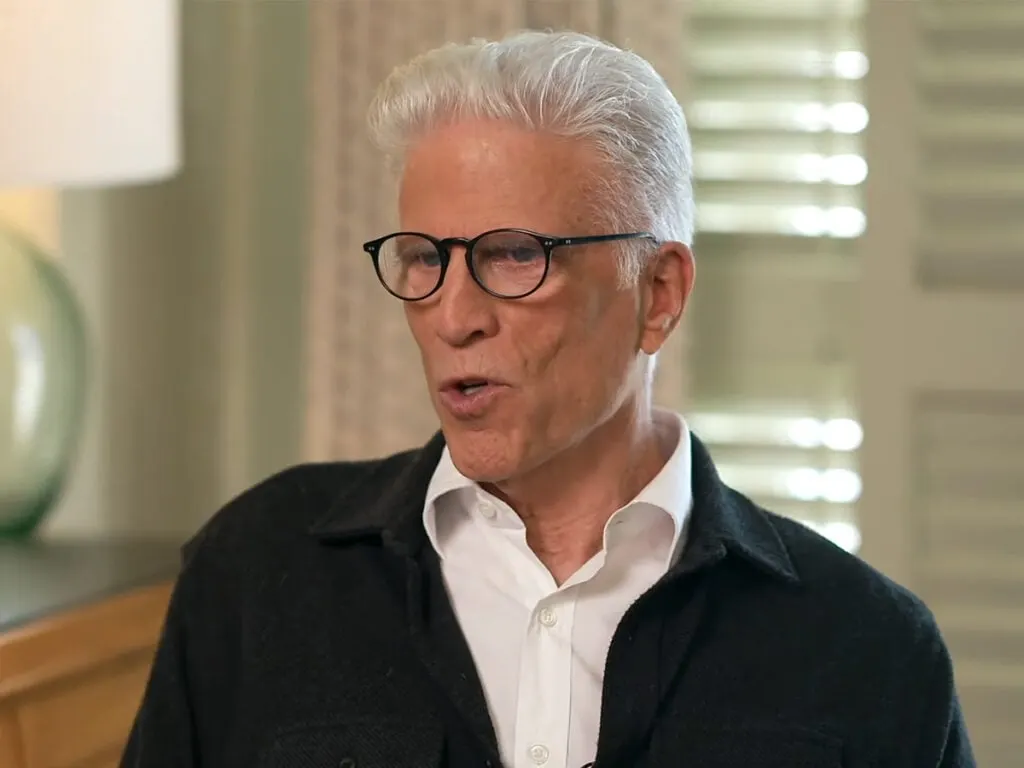
The article recounts how Ted Danson’s appearance in blackface at a 1993 Friars Club roast for Whoopi Goldberg caused major public backlash and damaged his reputation. It matters because the episode became a defining controversy in his career, illustrating how a performance intended as comedy was widely viewed as offensive and harmful.
Danson, who was dating Goldberg at the time, reportedly used racist language during the roast, while Goldberg said she had helped develop the material. Despite that context, the response was overwhelmingly negative, and Danson later described the decision as seeming like a good idea at the time but leaving his career “in the gutter”.
In short
- Ted Danson’s 1993 roast performance sparked serious backlash.
- Blackface and racist language overshadowed the intended comedy.
- The controversy temporarily damaged Danson’s career.
Steelman: both sides, in good faith
The strongest fair case each way — we don't pick a winner.
The case for
The performance occurred within the explicit tradition of the Friars Club roast, where crude, provocative material forms the established format, and involved Whoopi Goldberg's direct collaboration in developing the material and offering her approval. Whilst undeniably offensive, this context invites reasonable debate about whether the severity of professional consequences was proportionate to a single incident involving consent and collaboration with the person being roasted, rather than an expression of genuine racist intent.
The case against
Blackface represents an indefensible racist tradition regardless of comedic context or the intent behind it; Goldberg's personal approval did not negate the harm to the broader Black community or diminish the offensive nature of racist language and imagery. The immediate, widespread backlash in 1993 reflected genuine recognition of the wrong, and professional accountability was appropriate. Context and consent cannot transform racial caricature into acceptable comedy.
Explained simply
Ted Danson is an American actor best known at the time for roles in television comedies, including Cheers. In 1993, he was dating actor and comedian Whoopi Goldberg, who was being honoured at a roast at New York’s Friars Club, where guests traditionally make jokes about the person being celebrated.
Roasts rely on provocative humour, but performers can face criticism when jokes draw on racism or other harmful stereotypes. The episode became a lasting point of controversy in Danson’s career and a reminder that a comedian’s intent and the audience’s response can differ sharply.