World news and discussion on TalkFuse.
WNBA media defends DiJonai Carrington after dangerous Sophie Cunningham hit reveals glaring bias
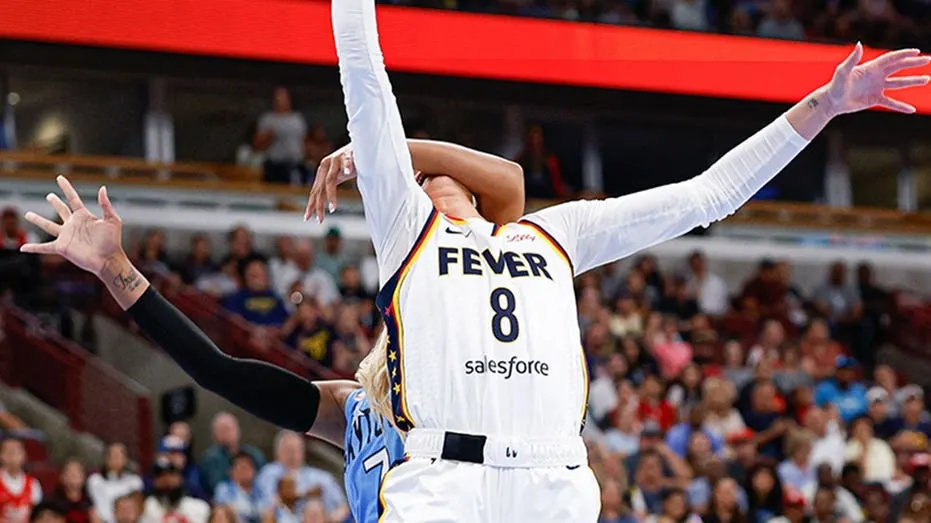
An OutKick (Fox News) opinion piece criticises what it describes as favourable media coverage of WNBA player DiJonai Carrington after she struck Indiana Fever guard Sophie Cunningham above the neck during a game, an incident that led to Carrington's ejection under a Flagrant 2 foul. The article argues that the response from WNBA-focused media outlets, rather than the foul itself, exposes a bias in how the incident has been framed, arguing Carrington has been shielded from criticism that a similar act by another player might attract.
The piece notes that Carrington was sent off immediately after catching Cunningham high as she went up for a transition layup, then posted a message referencing "White privilege" rather than addressing the foul directly. It also claims ESPN downplayed the incident, that Fever coach Stephanie White defended Carrington despite the foul being committed against her own player, and that Sports Illustrated altered a headline referring to "karma" following an online backlash. The article, published on OutKick, presents these as evidence of double standards in WNBA media coverage, though it is framed as opinion commentary rather than straight news reporting.
In short
- DiJonai Carrington ejected for Flagrant 2 foul on Sophie Cunningham
- Carrington cited "White privilege" instead of addressing the hit
- OutKick accuses WNBA media of biased, sympathetic coverage of Carrington
Steelman: both sides, in good faith
The strongest fair case each way — we don't pick a winner.
The case for
When an athlete commits a flagrant foul, the professional response is to acknowledge wrongdoing, yet Carrington posted about privilege instead of addressing her conduct directly. Media outlets then amplified this deflection rather than holding her accountable, whilst Coach White's defence of Carrington despite the foul harming her own team suggests reflexive protection. The pattern of downsized coverage, revised headlines, and selective framing indicates standards applied inconsistently based on the player's identity, undermining sports journalism's commitment to equal treatment.
The case against
One flagrant foul, promptly ejected by officials, is not a major news event requiring extended scrutiny; proportionate coverage is appropriate journalism, not bias. Players often post defensively after ejections, and isolating Carrington's response as uniquely problematic whilst ignoring similar posts from other players suggests selective outrage rather than evidence of systematic double standards. The OutKick framing itself demonstrates how narratives can be constructed to identify bias where standard coverage exists—truly unbiased journalism would apply consistent scrutiny to comparable incidents across all players, not elevated scrutiny to one.
Explained simply
The WNBA is the top professional women’s basketball league in the United States. Players can be ejected for a Flagrant 2 foul, a call used for contact officials judge to be especially severe or dangerous. DiJonai Carrington plays for the Dallas Wings; Sophie Cunningham is a guard for the Indiana Fever.
The incident has drawn attention not only to the foul but also to how sports outlets and commentators described it. OutKick’s article argues that coverage treated Carrington too favourably, while references in the piece include Fever coach Stephanie White and Sports Illustrated. The claims about media bias are the article’s opinion, rather than an established finding.
Americas Basketball Sport World