Helaena dies as Alicent returns to King’s Landing
Developed over time first seen 2 months ago
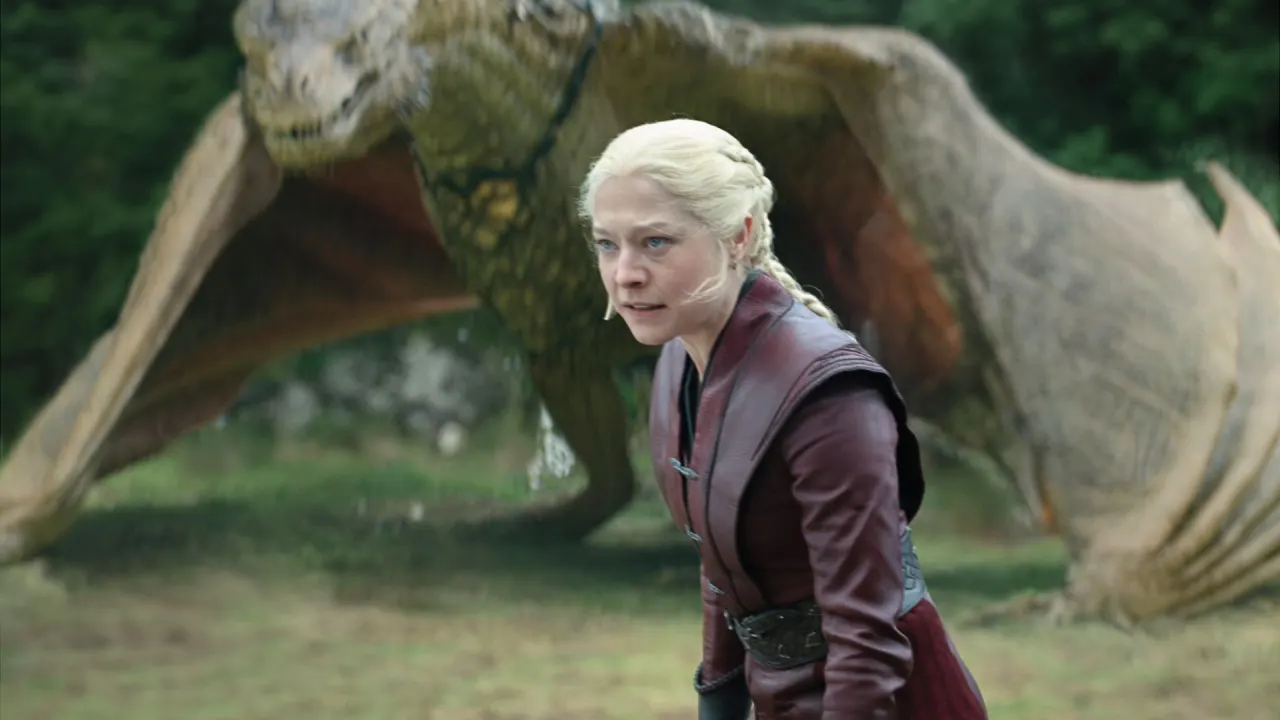
House of the Dragon's third season closed with the death of Helaena Targaryen, who took her own life by jumping from a window after being tormented and force-fed by her half-sister, Queen Rhaenyra, amid the escalating Dance of the Dragons civil war. The finale then cut to Alicent Hightower travelling back to King's Landing, where she was suddenly surrounded by a swarm of blue butterflies, a nod to Helaena's lifelong fascination with insects and to author George R.R. Martin's deleted 2024 blog post "Beware the Butterflies", which had reportedly warned fans that Helaena's death would close out the season.
Earlier in the episode, an increasingly ruthless Rhaenyra was confronted by allies including Baela Targaryen, who accused her of treating her dragonriders as expendable pieces rather than people. Despite promising to protect the pregnant, grieving Helaena after sending Alicent to Harrenhal to have her son Aemond killed, Rhaenyra instead badgered her over visions and force-fed her when she stopped eating, shortly after Mysaria had warned Helaena that she and her unborn child would always be Rhaenyra's hostages. The sequence is widely seen as illustrating the source of Martin's public falling-out with showrunner Ryan Condal over the adaptation's changes to his source material, Fire & Blood.
- Helaena Targaryen dies by suicide in the House of the Dragon season 3 finale.
- Rhaenyra's cruelty towards Helaena preceded her death.
- Alicent's return is met by symbolic blue butterflies referencing GRRM's deleted post.
New here? Start with this
Rhaenyra Targaryen and Alicent Hightower's family are locked in a civil war over the Iron Throne, a conflict known as the Dance of the Dragons, which forms the backbone of the HBO series House of the Dragon. The show is based on material by author George R.R. Martin, who also created the original Game of Thrones novels, and it has taken creative liberties with his source material as it develops beyond his books.
Helaena Targaryen is Alicent's daughter and, through a forced political marriage, also Rhaenyra's half-sister and sister-in-law. She has been a quieter, more vulnerable figure in the story, marked by grief after the earlier death of her young son and by a recurring fascination with insects, which the show has used as a recurring symbol for her character.
Martin has previously voiced public criticism of changes made by showrunner Ryan Condal to his story, including in a now-deleted blog post whose title alluded to butterflies. That criticism has fuelled ongoing debate among fans and press about how faithfully the television adaptation follows Martin's original vision, and it is against this backdrop that the season's ending is being discussed.
Both sides, in good faith
The strongest fair case each way — we don't pick a winner.
The case for
Television adaptation requires significant creative choices to suit the visual medium and accommodate production constraints. What works in a sprawling novel series may not translate effectively to screen, requiring modifications to pacing, scope, and character arcs. Showrunners must have the freedom to make bold artistic decisions that serve their medium and audience.
The case against
The original author's vision and creative intent deserve respect in adaptation. Fans engage with Martin's work because of his particular storytelling sensibility, and major alterations to character fates represent a fundamental divergence from the source material. Showrunners bear a responsibility to balance creative freedom with faithful stewardship of another's creation.
More coverage
- GamesRadar+ — House of the Dragon showrunner teases "new dragons" in "a very worthy" final season of the hit HBO show
- IGN — House of the Dragon Season 3 Ending Explained and Book Differences
Read the full article at the source →
Originally published by Polygon as “‘House of the Dragon’ Season 3 Ending Explained: I Finally Understand Why George R.R. Martin Hates This Show”.