Science news and discussion on TalkFuse.
Ospreys hatch at nature reserve for first time
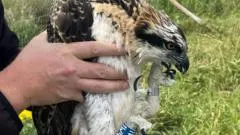
Ospreys have bred successfully at RSPB Campfield Marsh in Cumbria for the first time, with a pair hatching three chicks at the wetland reserve on the Solway Firth. The RSPB has hailed it as a conservation success, as the birds of prey were driven to extinction as a UK breeding species in the early 20th century before recolonising Scotland in the 1950s and gradually spreading to other parts of the country.
Both adult ospreys are believed to be first-time parents, drawn to the site by a specially built nesting platform; the female is unringed, while the male was ringed in Dumfries in 2021. The eggs were laid between 30 April and 6 May, with the chicks hatching in June and subsequently ringed to allow their future movements to be tracked. A local primary school helped name them Ash, Bowness Bobbi and Beau, and they are expected to fledge in August before migrating to west Africa from September.
In short
- Ospreys hatch three chicks at RSPB Campfield Marsh, Cumbria, a first
- Parents believed to be first-time breeders, drawn by nesting platform
- Chicks named Ash, Bowness Bobbi and Beau; ringed for tracking
Explained simply
Ospreys are large fish-eating birds of prey that migrate between the UK and west Africa. They were lost as a UK breeding species in the early 20th century, but began returning in the 1950s, first to Scotland and later to other parts of the country.
The RSPB manages nature reserves to protect wildlife and habitats. Nesting platforms can provide ospreys with safe places to breed, while rings fitted to chicks help researchers track where they travel. Their return is one measure of how the species has recovered and spread across the UK.